
Learn how to find a roof leak, inspect flashing, seal small gaps, and know when roof repair needs a pro in Waynesboro.

A small roof leak can stain ceilings, wet insulation, and turn into a bigger fix fast. Many homeowners start by patching the wrong spot, then miss the real source. This guide shows you how to trace the leak, inspect the roof edges and penetrations, make a short-term repair, and decide when the damage needs roof repair help. Start inside, work outward, and stop water at the source before it spreads.
The goal is simple: find where water enters, not just where it drips. That matters because water can travel along framing, under shingles, and around vents before it shows up inside.
If the roof is steep, the damage is wide, or you see soft decking, call for help from Suarez Home Repair. For larger damage or repeated leaks in Waynesboro, a pro can handle the fix safely and correctly.
Start indoors. Look for water stains, bubbling paint, damp insulation, or a musty smell. Trace the marks up and out, because the leak source is often higher than the spot that looks wet. If the ceiling is active-dripping, place a bucket and protect nearby floors first.
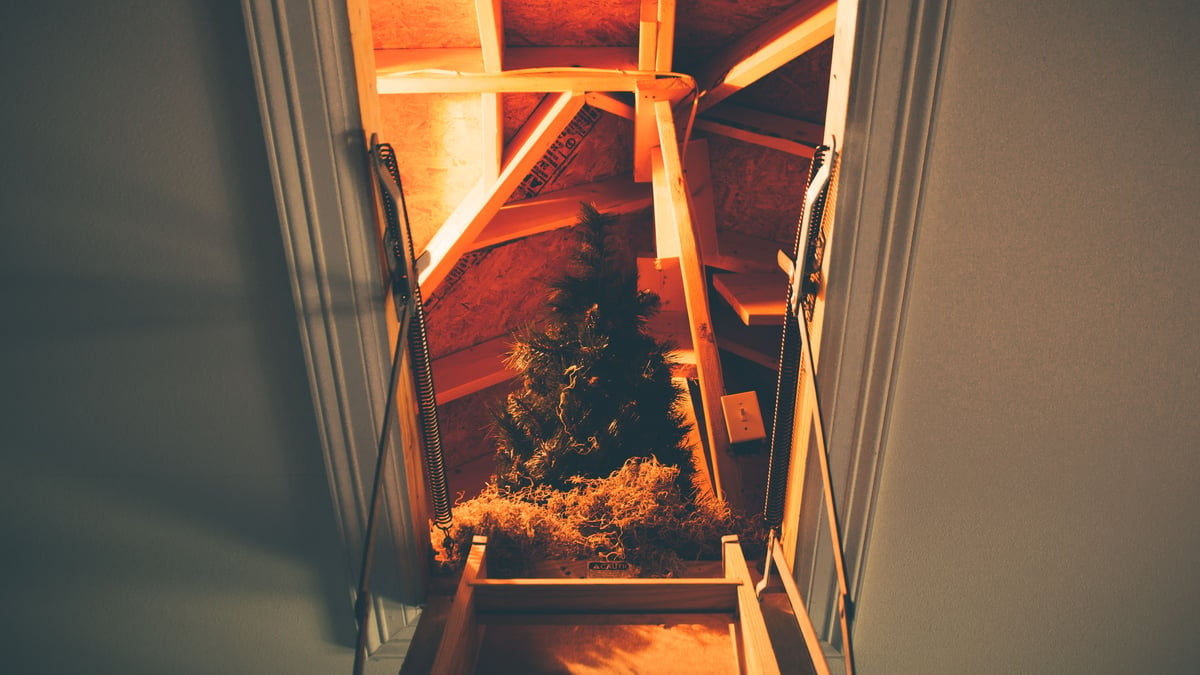
Use a flashlight in the attic if you have one. Check the underside of the roof deck, rafters, and nail points for dark stains or wet wood. Mark the area with tape or chalk so you can find it again when you go outside.
Once you know the area, inspect the roof surface from a safe position. Look for missing shingles, lifted edges, cracked tabs, loose nails, and worn spots where granules are gone. On metal roofs, look for open seams, loose screws, or rust at fasteners.
A leak often starts with a small break in the outer layer. If only one or two shingles are damaged and the deck below is dry, a simple patch may work. If the damage is spread out, roof repair services may be the safer path.
A small repair usually means one damaged area, no soft decking, and no sign of structural sag. The fix may involve replacing a few shingles, resealing a fastener, or patching a minor tear.
Flashing protects joints where water likes to enter. Check around chimneys, skylights, vents, walls, and valleys. You are looking for gaps, lifted metal, cracked sealant, bent pieces, or rust. These are common failure points on older roofs and around recent repairs.
Clean away loose debris first. Then look for a clear path where water could slip behind the flashing. If the metal is loose but the surrounding materials are sound, a reseal may help. If the flashing is warped or rusted through, it needs replacement.
For a minor leak, a short-term patch can buy time until a full fix is possible. Dry the area first. Then clear dirt, moss, or loose sealant. Use roofing cement or a patch product made for the roof material, and follow the product directions closely.
Keep the patch small and neat. The goal is to stop water, not cover the whole roof in sealant. If the area keeps leaking after one storm, the problem may be under the surface, such as damaged decking or a failed underlayment layer.

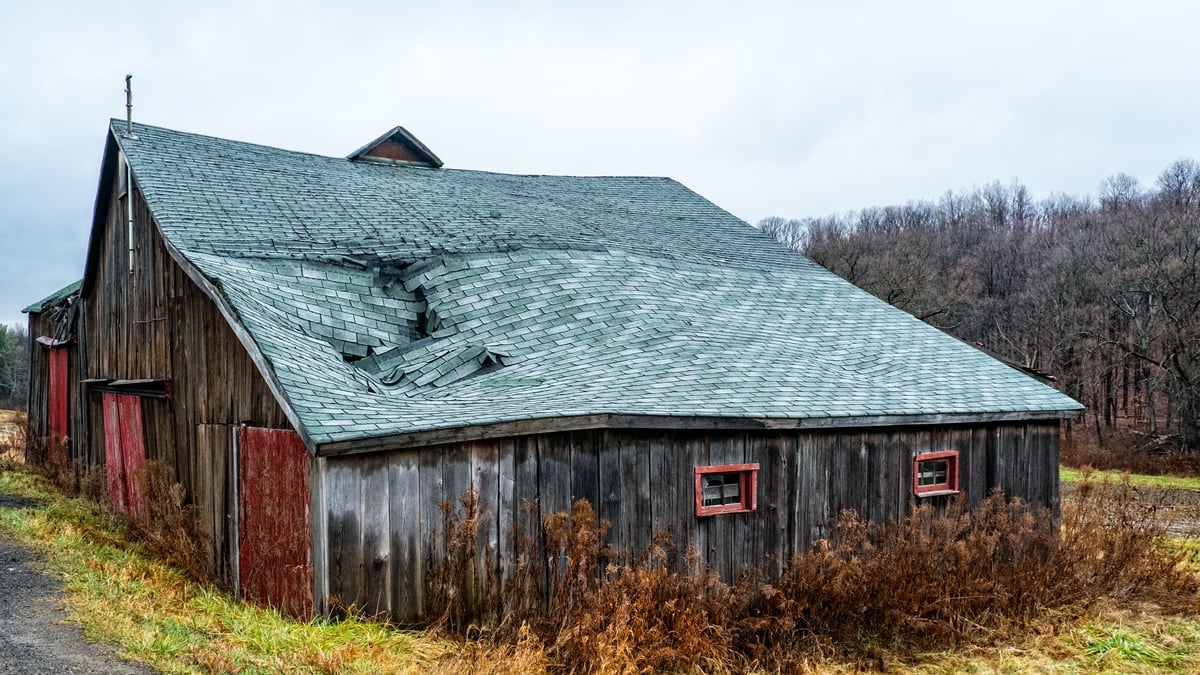
Some problems are not safe or smart to patch on your own. Stop if you find soft decking, sagging roof lines, widespread shingle loss, active water entry, or mold in the attic. These signs point to deeper damage that needs more than a surface repair.
You should also stop if the roof is steep, slippery, or hard to access. A simple mistake on a roof can cause injury or make the leak worse. In those cases, the best next move is to bring in a pro who can inspect the full system.
Repeat leaks often mean the surface fix missed the true source. Water may be entering at a flashing seam, a failed boot, or damaged underlayment, then moving before it shows inside. That is why a careful inspection matters more than a fast patch.
Call a professional when the roof is beyond a simple patch, the damage is not easy to reach, or you need help finding the leak source. A skilled repair visit can save time by checking the roof surface, flashing, and hidden damage together.
If you want a careful inspection and repair plan, our roof repair service can help you figure out the right next step. Suarez Home Repair works with homeowners in Waynesboro who need a fix that addresses the cause, not just the stain.

Shingle damage usually shows at the outer surface, such as missing tabs, cracks, or lifted edges. Flashing leaks often appear near chimneys, vents, skylights, or walls. If the stain is near a joint or opening, flashing is a strong place to check first.
An inside patch may slow water for a short time, but it does not fix the roof source. The best use for an inside repair is temporary protection while you trace the leak and plan a proper outside fix. Long-term repairs should address the roof surface.
Active dripping, sagging ceilings, wet insulation, and soft roof decking need quick attention. Those signs can point to larger damage behind the surface. Waiting can turn a small repair into a bigger project that affects framing, drywall, and insulation.
A quick visual check after heavy rain is smart, and a fuller check in spring and fall helps you catch damage early. Look for stains inside, missing shingles outside, and worn seals around roof openings before a small issue spreads.
A roof leak is easier to fix when you find the source early and check the weak spots in order. Start inside, inspect the shingles and flashing, and use a small patch only if the damage is minor. If the roof shows deeper problems, contact Suarez Home Repair for help.