
Learn assembly basics for furniture, shelves, and fixtures, plus the tools, prep, and safety checks that keep projects on track.
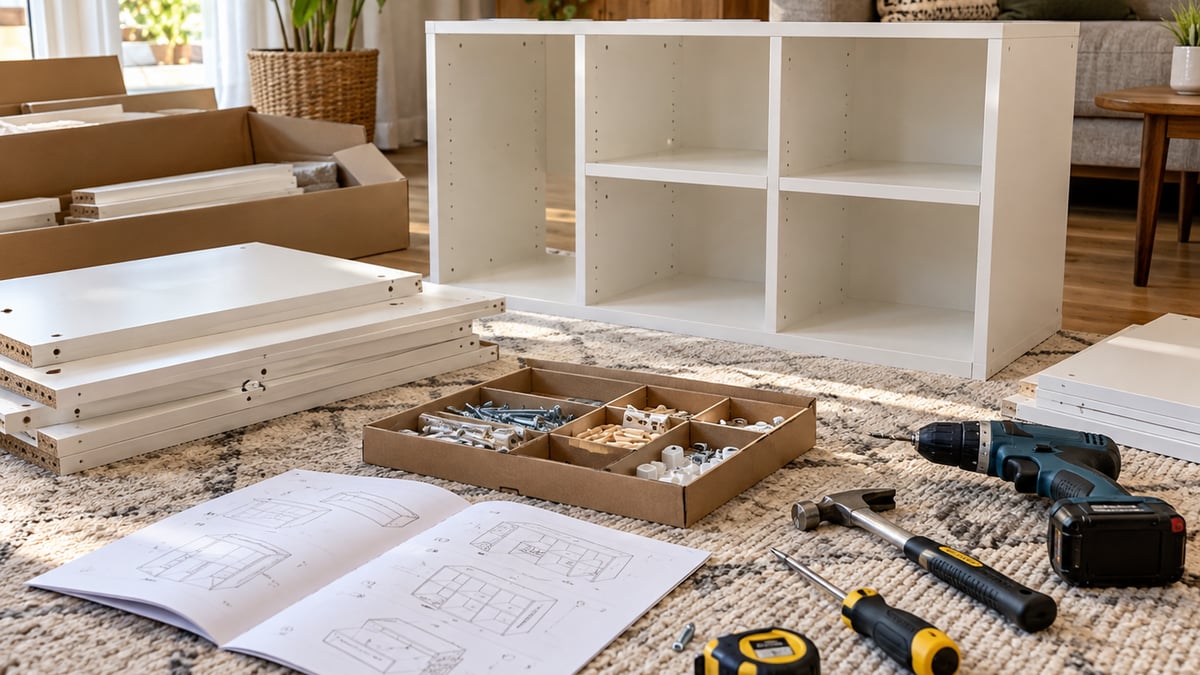
A new bookcase, desk, or storage unit can turn into a weekend project that drains time and leads to stripped screws or crooked parts. Good assembly keeps the room usable and saves you from paying to fix avoidable mistakes. Assembly means reading the instructions, sorting parts, building on a flat surface, tightening in order, and checking the finished item for wobble before use.
This guide covers the process from box opening to final check so you can handle common home projects with less stress. If a piece is bulky, complex, or meant to be anchored, careful planning matters even more.
Suarez Home Repair helps homeowners in Waynesboro with projects that need extra hands, careful setup, or a cleaner finish than a rushed weekend build.
Start by opening the box carefully and sorting every part on a clean floor or table. Compare the pieces, screws, and fasteners to the instruction sheet before you build anything. This first check prevents wasted time later and helps you spot missing or damaged items right away.
Set up enough room to move around the project from all sides. Good light, a flat surface, and a place for trash and packing material make the work smoother. If the item is large, ask a second person to help before you lift or flip it.
Read the full set of directions before you install the first screw. Many projects fail because the builder starts too fast and has to undo steps later. Look for warnings, orientation arrows, and parts that can be installed only one way.
Lay the hardware in small groups that match each step. This makes it easier to work in order and avoids grabbing the wrong screw. If the guide uses pictures, follow the image and the text together instead of relying on one or the other.
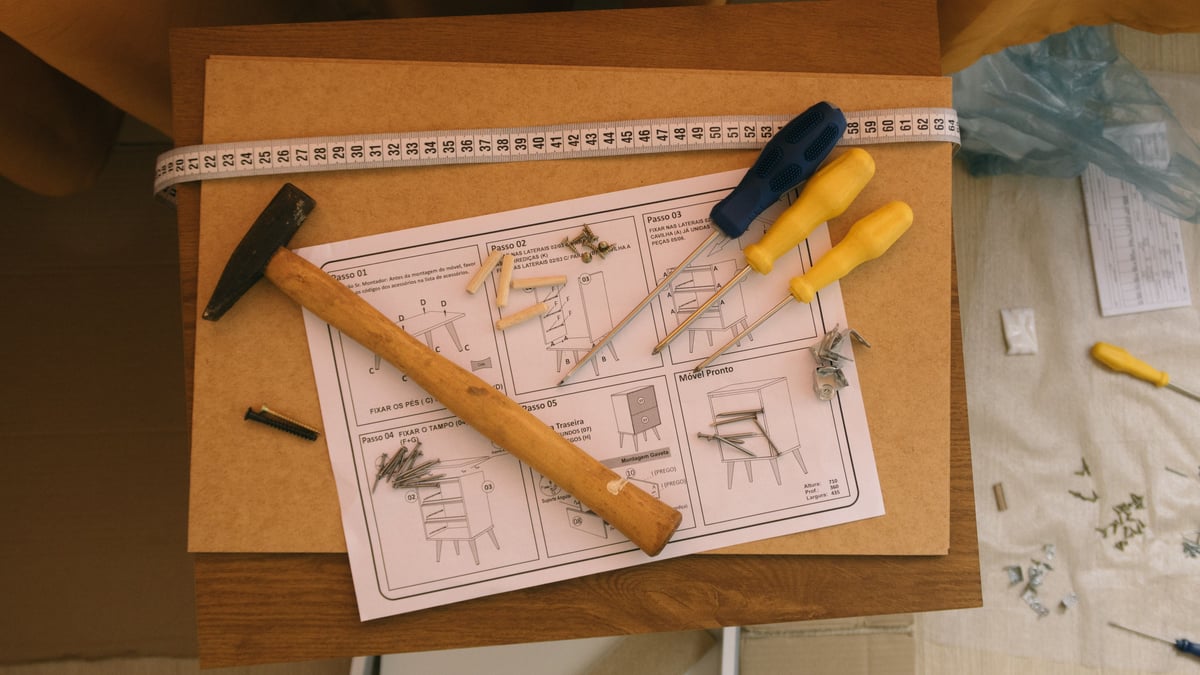
Pay close attention to hole locations, part labels, and the direction of finished surfaces. A panel can look correct but still be flipped the wrong way. If you catch that early, you avoid backtracking and possible damage.
Join the pieces loosely first so everything can line up. Start every screw by hand before you tighten it. That simple habit helps prevent stripped threads, cracked wood, and parts that bind before the frame is square.
Tighten fasteners in stages and move around the frame in a balanced pattern. This matters for bookshelves, bed frames, cabinets, and wall units. If one side is locked down too soon, the rest of the structure can twist out of alignment.

Once the structure is together, check for wobble, gaps, and uneven legs or corners. Use a level on the top surface and along the sides. If the item rocks, adjust the feet, recheck the joints, or move the unit to a flatter spot.
For tall furniture and wall-mounted items, safety comes first. Anchors, anti-tip straps, or proper wall fasteners can keep the piece stable. If the instructions call for mounting and you are not sure the wall can support it, get help before you proceed.
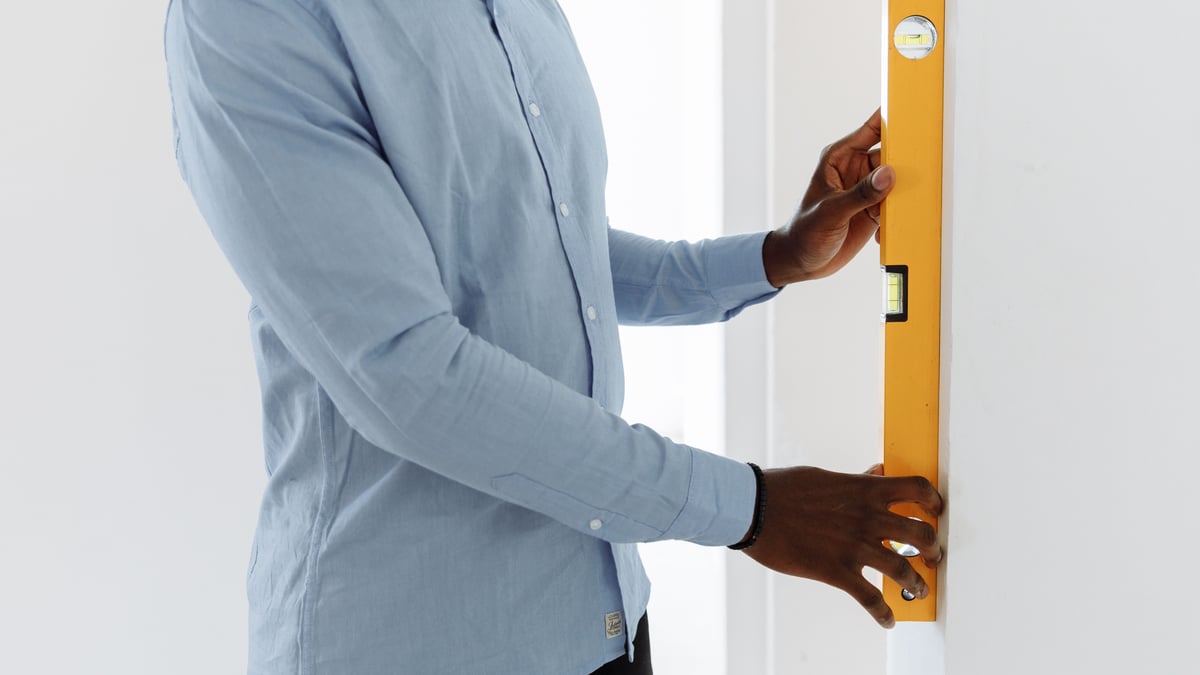
Do not ignore a small wobble. That small issue can grow once the item is loaded with books, dishes, or tools. A quick adjustment now is better than a repair later.
Wipe off dust, remove labels, and inspect every joint one more time. Open drawers, swing doors, and test moving parts before regular use. If the item has shelves or drawers, add weight slowly so you can spot weak points early.
Keep the extra hardware, spare parts, and instruction sheet in a safe place. If a hinge loosens or a fastener backs out later, you will have what you need for a quick fix. This simple habit saves time on future projects.
Call for help when the project is too large, too heavy, or too detailed for one person to finish safely. Built-ins, complex storage systems, and anchored items can take extra tools and careful setup. A pro can also help when parts do not line up or the wall needs support.
If your project is getting stuck halfway through, Suarez Home Repair can step in and finish the job with less frustration. For homeowners who want dependable assembly services, the right help can keep the project moving and protect the item from avoidable damage.
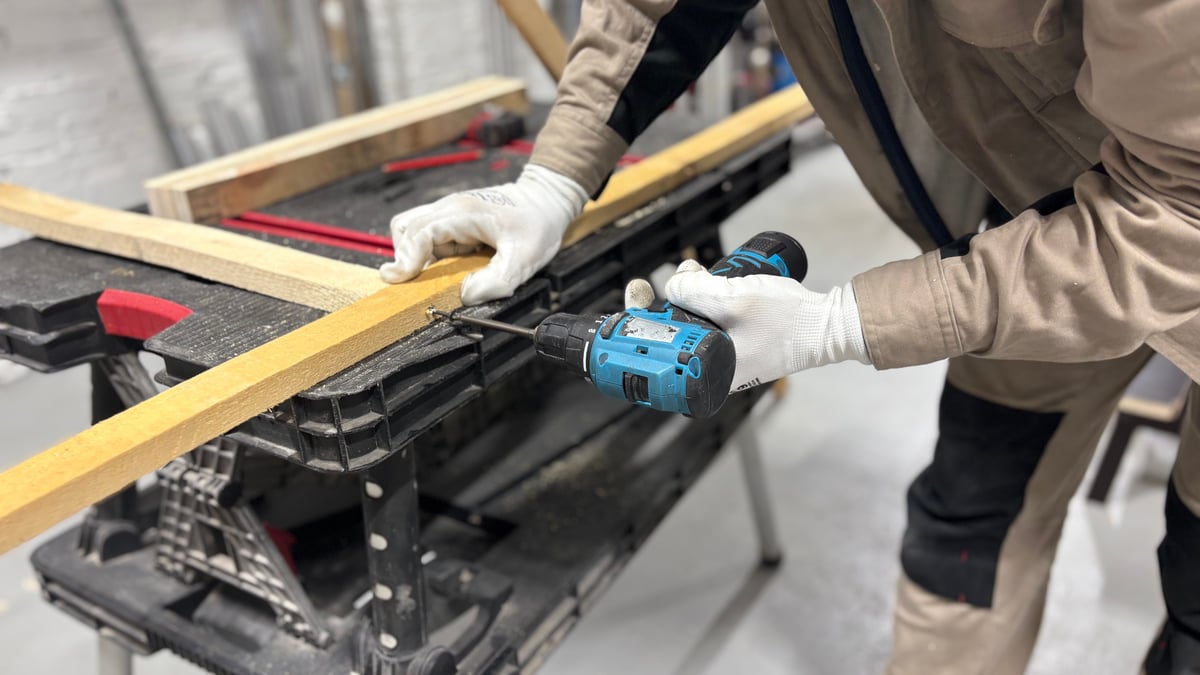
Most small projects need a screwdriver, the correct hex key, a drill with the right bit, a tape measure, and a level. A soft blanket also helps protect floors and finished surfaces while you work.
The piece should sit flat, line up with the instructions, and move the way it should. Check for gaps, shaky legs, loose joints, and missing hardware. If doors or drawers stick, something may be out of alignment.
Smaller items are often manageable alone, but large or tall furniture is safer with a second person. Extra help makes lifting, aligning panels, and turning the piece much easier. It also lowers the chance of damage.
Wobble usually comes from uneven legs, loose fasteners, or a frame that was tightened before it was square. Recheck the floor, back off and retighten the joints, and confirm that every part is seated in the right spot.
Good assembly is about patience, order, and a careful final check. If you want help with a project that feels too big, too awkward, or too easy to get wrong, contact Suarez Home Repair. We can help homeowners in Waynesboro get the job done cleanly and safely.