
Learn how to inspect, measure, and repair loose trim, damaged boards, and small framing issues before they spread in your home.
Not sure if that loose trim or soft board is a small fix or a bigger carpentry problem. Start by finding the damage, checking for movement, and measuring the area before you cut or fasten anything. For most small home repairs, you can repair trim, replace damaged boards, and seal the finished area with basic tools, patience, and careful measuring.
This guide walks you through a simple repair process that works for baseboards, casing, shelving, and other common wood parts inside or outside the home. It also shows where the job stops being a quick fix and becomes a larger project.
If the damage involves framing, load-bearing parts, or repeated moisture, it is smart to bring in a pro. Suarez Home Repair helps homeowners in Waynesboro handle those bigger wood repairs with the right tools and a clean finish.
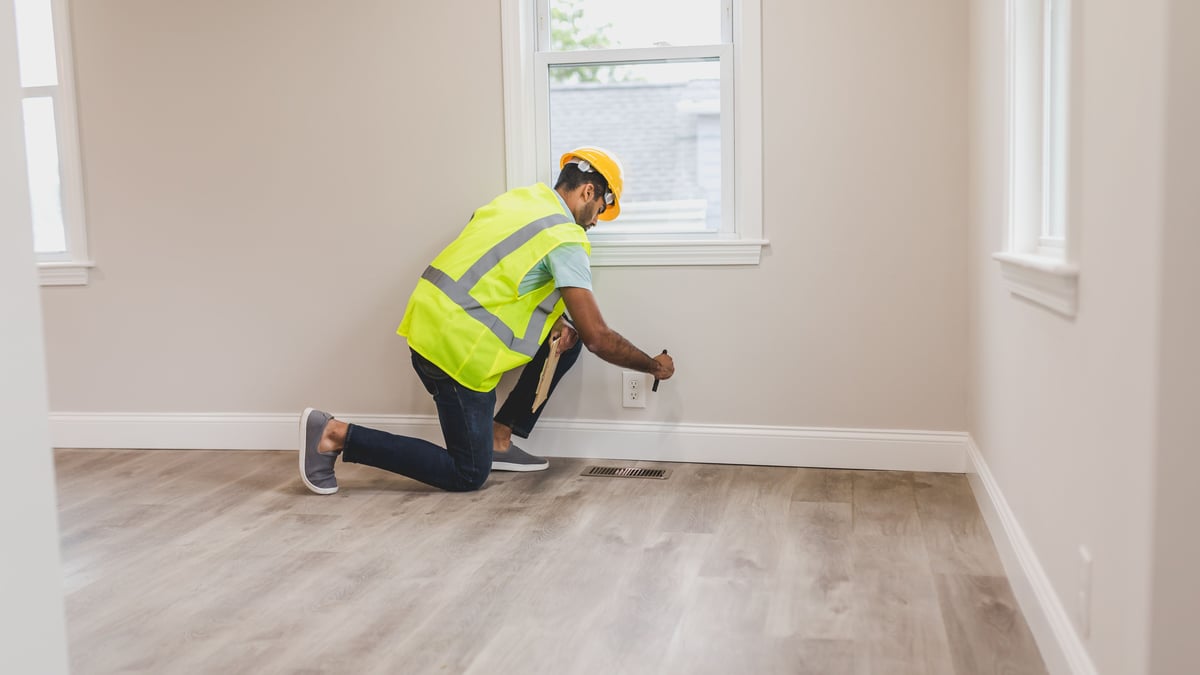
Start with a close look at the area. Search for cracks, soft spots, loose nails, water stains, gaps, and boards that move when you press them. If the problem is on trim, check both ends and the seams. If it is on shelving or framing, look for sagging and split joints.
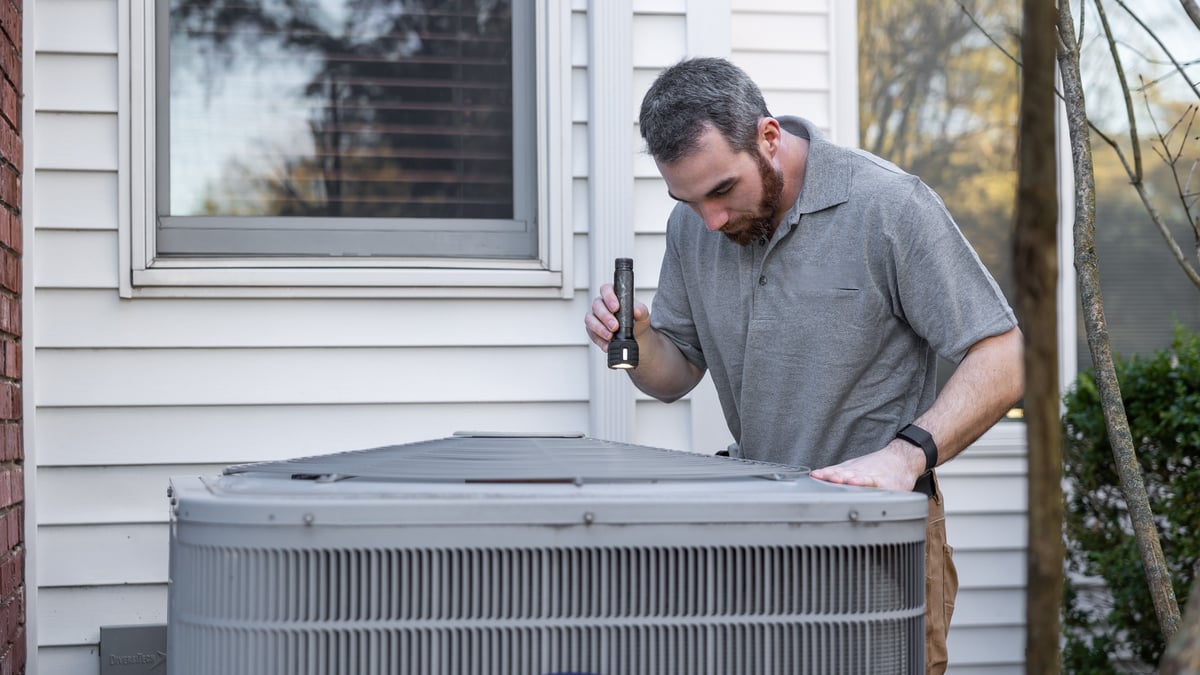
Use your hand and a flashlight. Press gently on the wood to find soft spots. Tap the surface with a screwdriver handle. Solid wood sounds firm. Damaged wood sounds dull or feels spongy. This first check tells you if you need a quick patch, a board swap, or a bigger repair.
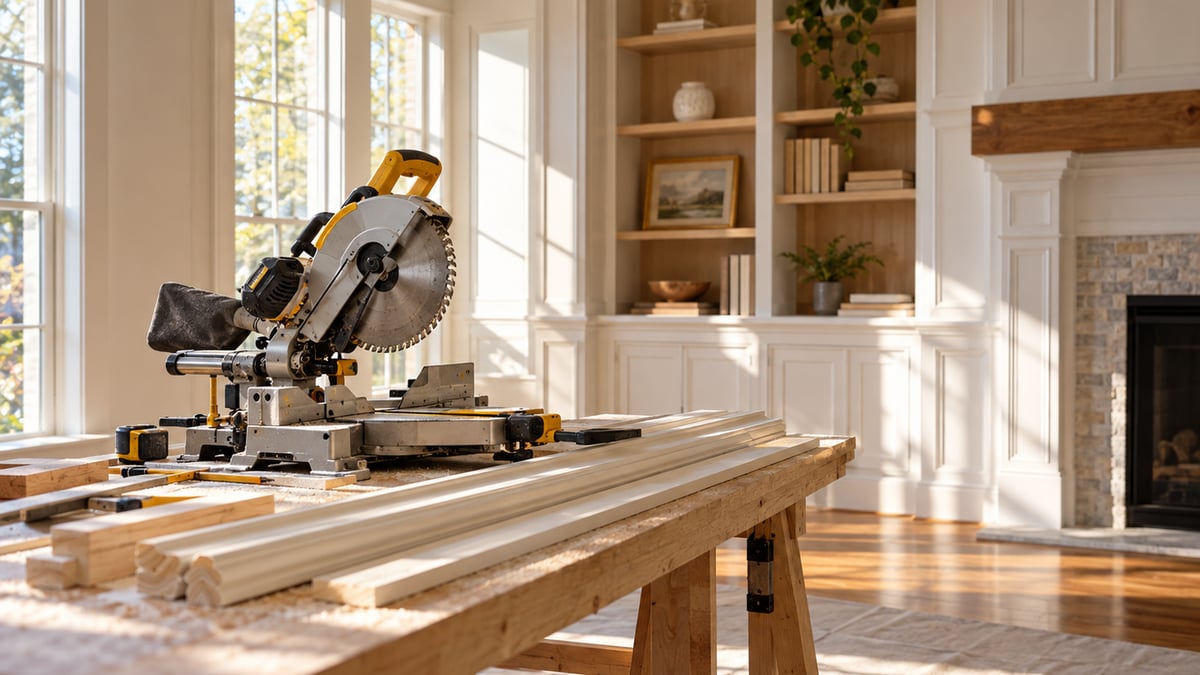
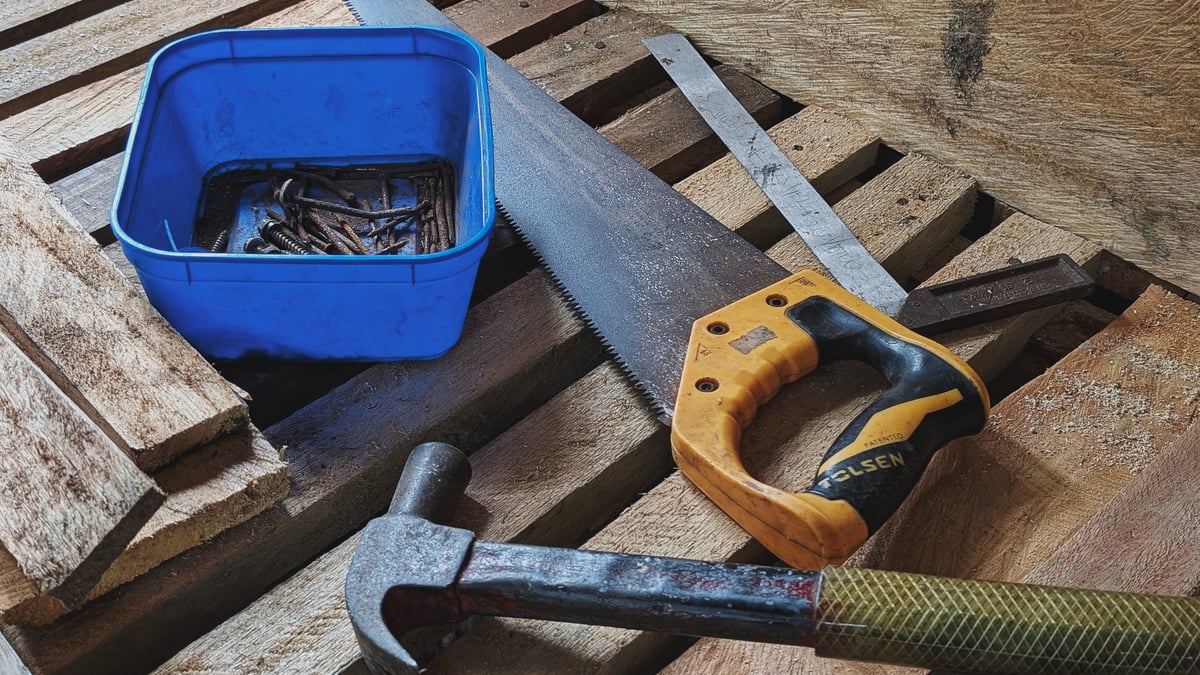
Gather your tools before you start. A small carpentry repair goes smoother when everything is within reach. For many common fixes, you only need basic hand tools and a few supplies from the store. Keep your work area clear so you can measure, cut, and fasten without rushing.
Match the replacement piece as closely as you can. Interior trim may need pine or MDF. Exterior repairs may need moisture-resistant wood or another material made for weather exposure. If you use the wrong type, the repair can fail early and stand out after finishing.
Score paint or caulk lines first so surrounding surfaces do not tear. Then remove nails, screws, or trim gently. Work slowly and pry against a scrap piece when you can. If you rush this part, you can damage the good wood around the repair and make the job larger.
Cut back to solid wood if the damage runs farther than the surface. A clean, square edge is easier to patch than a jagged break. If you are replacing a board, cut the new piece to fit the opening, then test it before you fasten it in place.
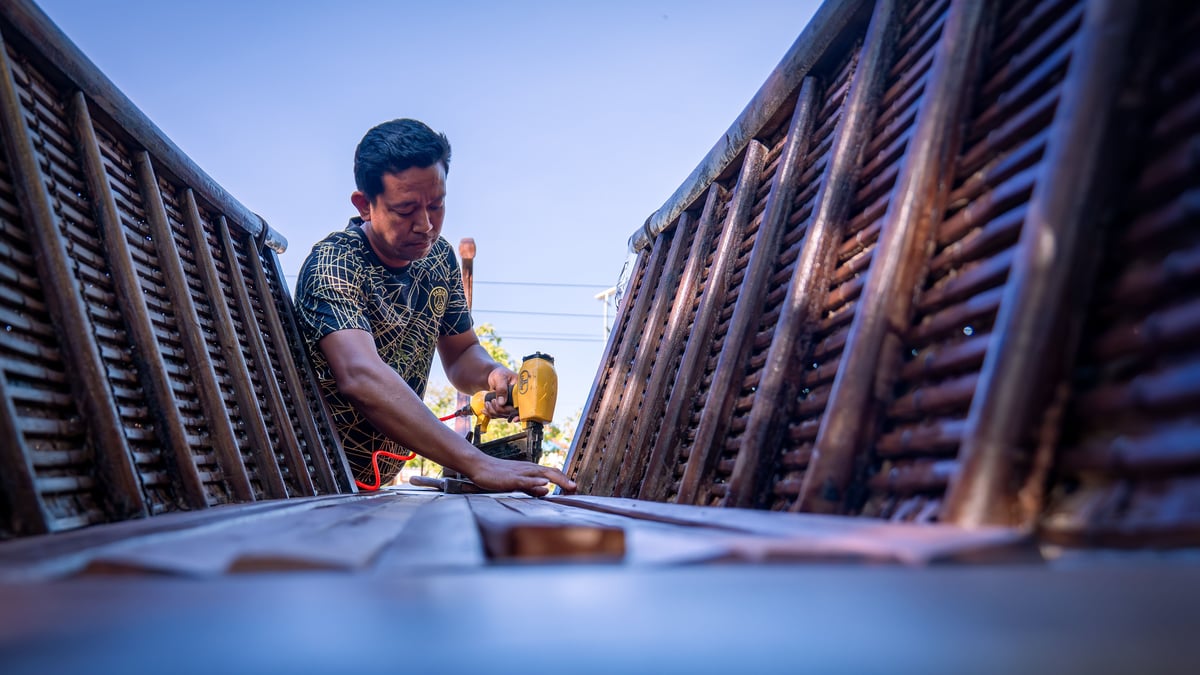
Set the replacement piece in place and check the fit. Leave even gaps where wood needs room to move, but keep joints tight where the design calls for it. Use nails, screws, or adhesive based on the part you are fixing. Trim and casing often need small finish nails. Shelves and structural pieces may need screws for better support.
For a smooth result, fasten from one side to the other and keep checking alignment. If you are replacing a visible piece in Waynesboro, take your time with the fit. A straight line and even spacing matter more than speed. If the repair is part of a larger project, a carpentry service can handle the layout and finish work for you.
Fill nail holes, seams, and small gaps with wood filler or caulk, depending on the surface. Let it dry before sanding. Sand just enough to smooth the repair without flattening the details around it. Then prime, paint, or stain so the new section matches the rest of the wood as closely as possible.
A good finish hides the repair and helps protect the surface. Interior trim usually needs a paintable caulk line at the edges. Exterior wood needs a finish that helps block moisture. If the finish fails, water can get in and undo the work you just completed.
Call for help when the damage keeps coming back, covers a large area, or reaches framing, stairs, or other support parts. You should also stop if the wood is soft from moisture, the cut needs exact angles, or the repair must match built-in details. Those jobs need more than a simple patch.
A pro can find the cause, replace the damaged section, and finish the work cleanly. If you want help with a repair in Waynesboro, Suarez Home Repair can take on the project and keep the final result neat and secure.
Wood damage is structural when it affects framing, floor support, stairs, or any part that carries weight. Sagging, movement, wide splits, and repeated failure are strong signs. If the damage changes how the home supports itself, do not patch it like trim.
Small areas of rot can sometimes be cut out and patched if the rest of the board is solid. The key is removing every soft spot first. If the rot spreads deep or keeps returning, replacement is the better choice because patches will not hold.
Choose the same wood type when possible, then match the size, profile, and grain direction. Sand the new piece smooth, test the fit, and finish it with the same paint or stain. Good prep matters more than speed if you want the repair to blend in.
A small repair is not worth doing yourself if the piece is hard to match, the cut is complex, or the damage points to a bigger problem. If moisture, movement, or framing is involved, a professional can save time and reduce the chance of repeat damage.
Small wood repairs go better when you inspect first, cut cleanly, fit the replacement carefully, and finish the surface well. If the damage is bigger than a trim fix, we can help you sort out the next step and get the repair done the right way in Waynesboro.