
Learn how to plan a remodeling project, set goals, choose the right rooms, and avoid common mistakes before work begins in your home.
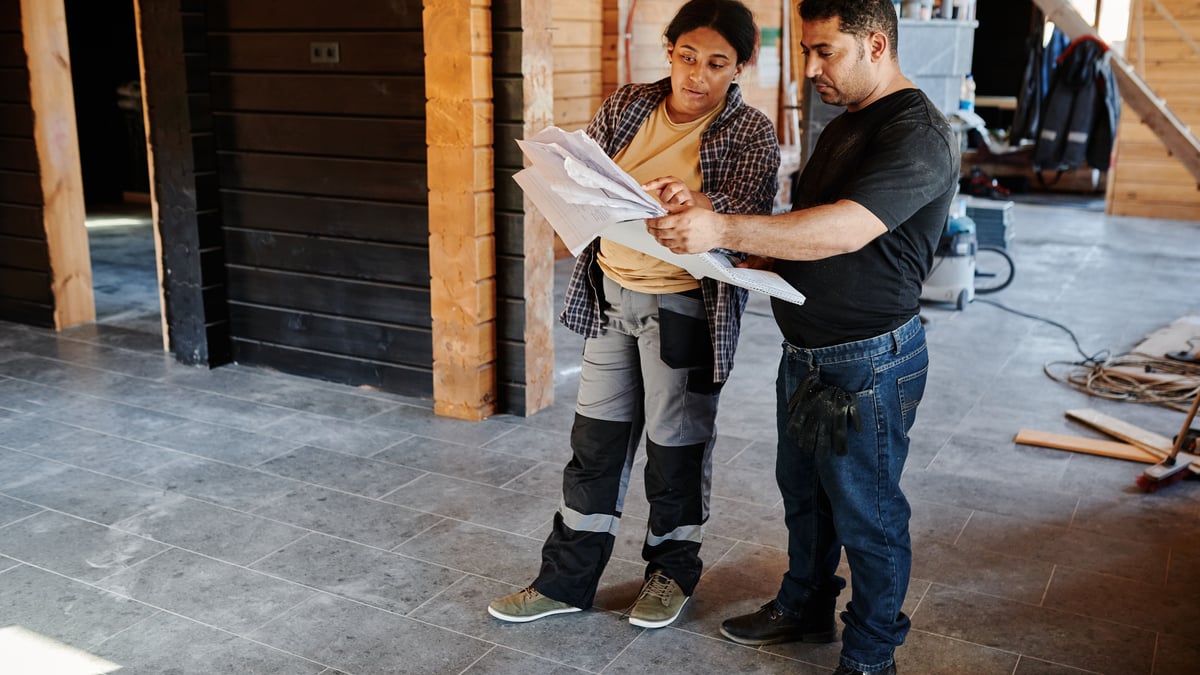
A good remodel starts with a clear plan, not a hammer. If you are updating a room in Waynesboro, this guide helps you set goals, sort priorities, check the space, and decide what you can handle yourself. Remodeling works best when you define the room’s purpose, list the work in order, and confirm which parts need a pro. Follow these steps to plan smarter, cut mistakes, and move from idea to finished space with less stress.
Start by thinking about how you use the room now and what needs to change. Small choices, like storage, layout, and finish levels, shape the whole job.
If the project affects walls, wiring, plumbing, or structure, bring in a contractor early. That helps you avoid delays and rework.
Start with the problem you want to solve. A remodel goes faster when you name the main goal, like more storage, a better layout, or updated finishes. Pick one primary outcome and build the rest of the plan around it.
Write down what stays, what goes, and what you want to improve. This keeps you from adding too many changes at once. If you need help shaping the plan, Suarez Home Repair can help you think through the scope before the work begins.

Inspect the room for signs of hidden trouble before you buy materials. Look for soft drywall, cracked tile, loose trim, water stains, or uneven floors. These clues can change the order of work and affect your budget.
Open cabinets, remove covers where safe, and look behind furniture or fixtures. A small surface update can turn into a larger repair if you find damage under the finish. Catching that early helps you plan the job the right way.
Pay close attention to stains, swelling, gaps, sagging, and soft spots. These are common signs that the room needs repair before cosmetic work begins.
Gather the basics before you begin so you can work in order and keep the project moving. The exact tools depend on the room, but most homeowners should have a simple plan and a few common supplies.

Plan the work from the inside out. Start with structural fixes, then rough-in work, then walls and surfaces, and finish with trim, paint, and hardware. This order helps you avoid damaging new work later.
Write the steps on paper and check each one off. If your project includes layout changes, keep the sequence clear so you do not install finishes before the hidden work is done. That is where many delays start.
Choose materials that match the room’s use, your upkeep habits, and the rest of the home. A busy space needs finishes that can handle wear. A smaller update may only need fresh surfaces and better lighting.
Bring samples home and view them in the room’s light. Colors and textures can look different once they are in place. Keep the look simple if you want the finished space to feel clean and balanced.

Call a pro if the remodel changes walls, plumbing, wiring, or load-bearing parts of the home. These jobs affect safety and often need careful planning. They also get more expensive if mistakes happen early.
You should also get help if the job is larger than your time, tools, or skill level. For larger updates in Waynesboro, our remodeling services can help you move from a rough idea to a finished plan with less guesswork.
If you need a room changed from the studs up, ask about the parts that need repair, new fixtures, or finish work. A professional can help you decide what to tackle first and what to leave to a contractor.
Keep the work moving by checking progress at each stage. Compare the finished work to your plan, and stop to fix small issues before they spread. This saves time later.
Store materials in a dry place, keep the work zone clear, and update your list as the job changes. A simple system works better than trying to remember every detail.
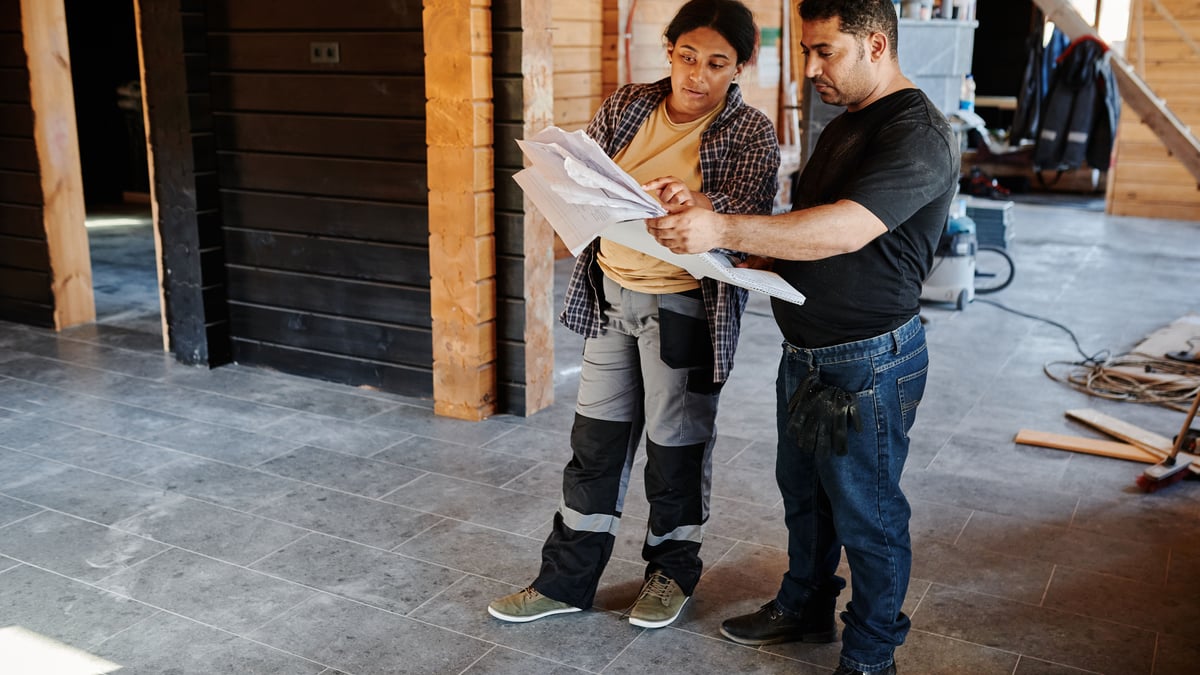
The first step is to define the goal for the room. Decide what problem you want to solve, what must stay, and what you want to improve. That clear starting point helps guide the layout, materials, and work order.
A remodel needs professional help when it affects structure, plumbing, electrical work, or hidden damage. It also helps to bring in a contractor when the project is bigger than your time, tools, or comfort level.
Check for water stains, soft spots, cracks, uneven floors, loose trim, and damaged drywall. These signs can point to problems under the surface. Finding them early helps you plan the work in the right order.
Avoid delays by making a written plan, buying materials after you confirm the scope, and handling hidden repairs before finish work. A clear sequence keeps you from redoing completed steps or stopping midway for missing parts.
A smart remodel starts with clear goals, a careful check of the room, and a simple work order. If you want help turning your ideas into a real project, contact Suarez Home Repair for a conversation about your space and next steps.