
Learn how to paint a room with cleaner edges, smoother coats, and the right prep, including when primer saves time on older walls.
Painting seems simple until the edges bleed, the finish looks streaky, or old wall marks show through. The real work starts before the first brush stroke. If you want a clean result, prep the room, fix the surface, choose the right tools, cut in carefully, and apply even coats with enough drying time between them. How to paint a room starts with prep, then primer if needed, then two smooth coats, and a final check for touch-ups.
Many homeowners in Waynesboro think paint will cover everything. It will not. Small dents, dust, and shiny patches can all show through after the paint dries.
If your walls need patching, trim repair, or help getting the surface ready, Suarez Home Repair can handle the prep work before you open a paint can.
Start by clearing the room and making the surface easy to work on. Move small items out, pull furniture to the center, and cover everything you want to protect. Take a few minutes now, and you will save time later.
Before you paint, inspect the walls under good light. Look for nail holes, dents, peeling spots, smoke stains, and greasy marks. If you skip this part, the new color can highlight the very flaws you wanted to hide.
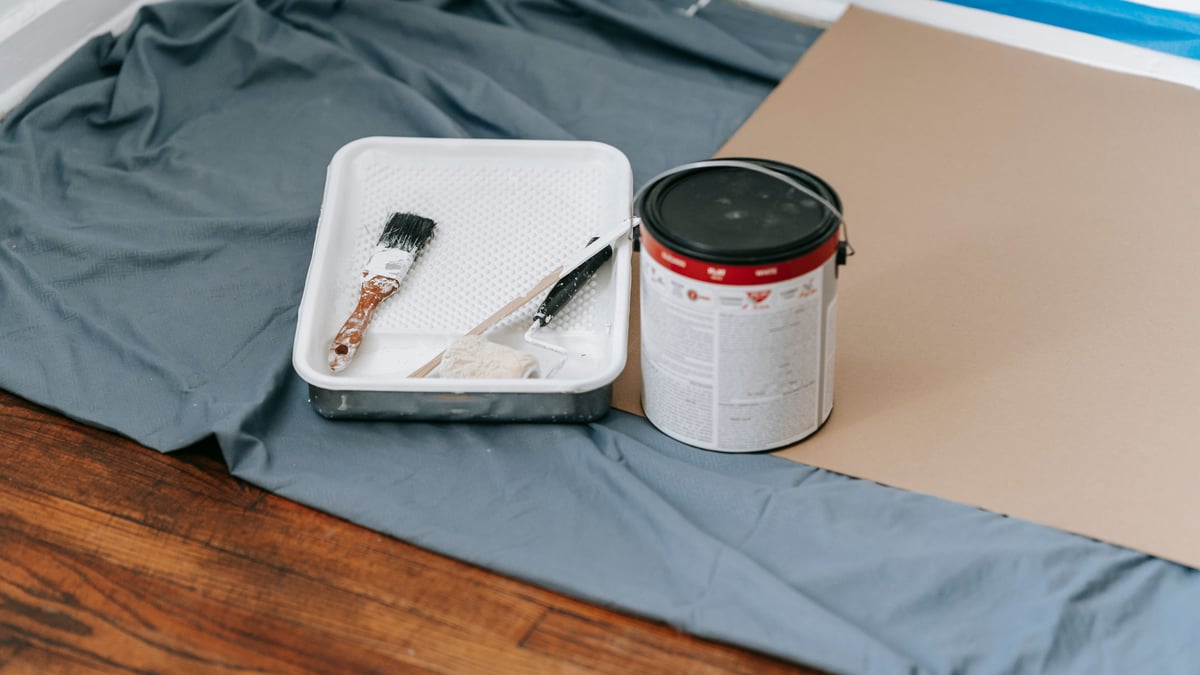
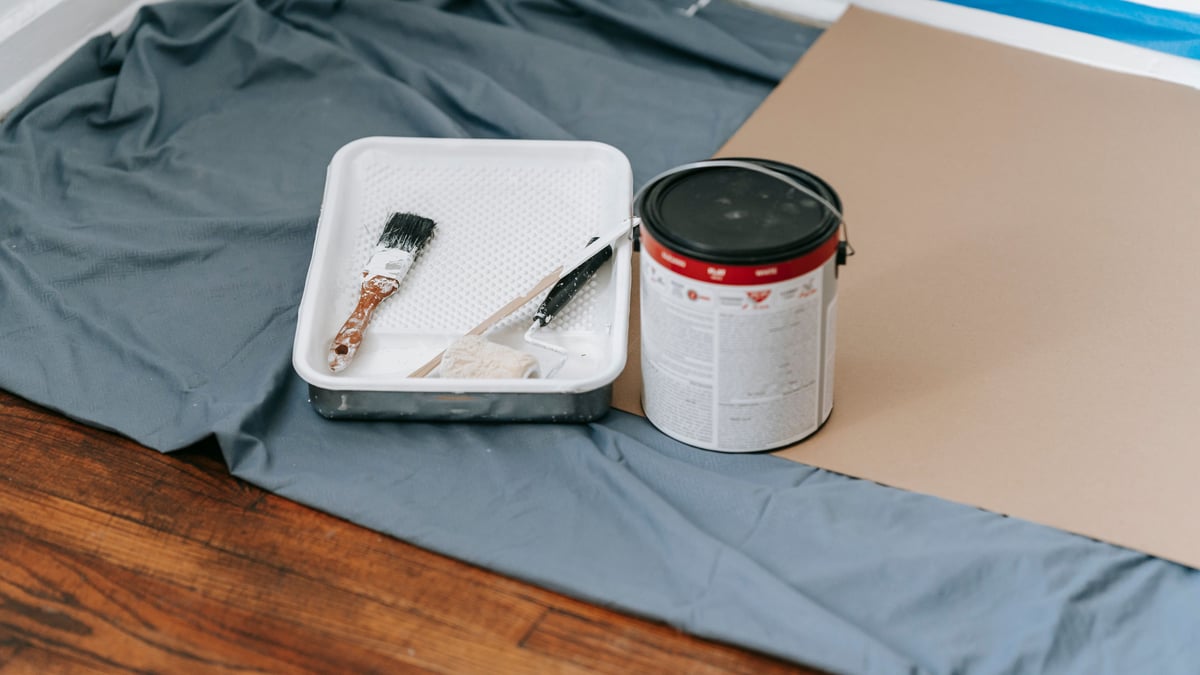
Gather everything before you start so you do not stop in the middle of a wet wall. The right tools help you paint faster and leave a cleaner finish.
Wash dirty walls with mild soap and water, then let them dry fully. Dust and oil keep paint from bonding, especially near kitchens, halls, and doorways. A clean wall gives you a more even finish.
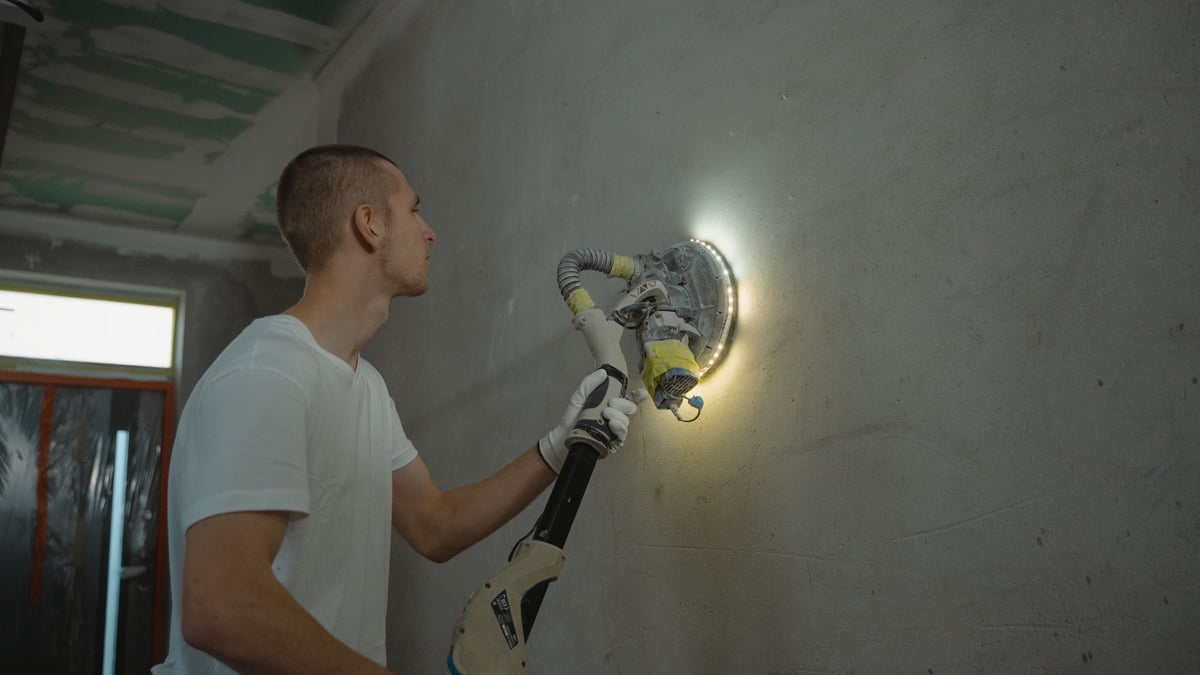
Fill holes and dents with spackle, then sand the patches smooth after they dry. Feather the edges so the repair blends in. If the wall has large damage or loose material, drywall repair may be the smarter first step.
Finish the prep by sanding glossy spots, wiping away dust, and taping off trim if needed. Painter's tape works best on clean, dry surfaces. Press the edges down well so paint does not seep underneath.
Use primer when you are covering stains, making a big color change, painting fresh patches, or working over bare drywall. Primer helps the topcoat look even and can reduce the number of finish coats you need.
If the old color is dark, the wall has spot repairs, or the surface has mixed textures, primer creates a more uniform base. Skipping it can lead to patchy color and extra work later.
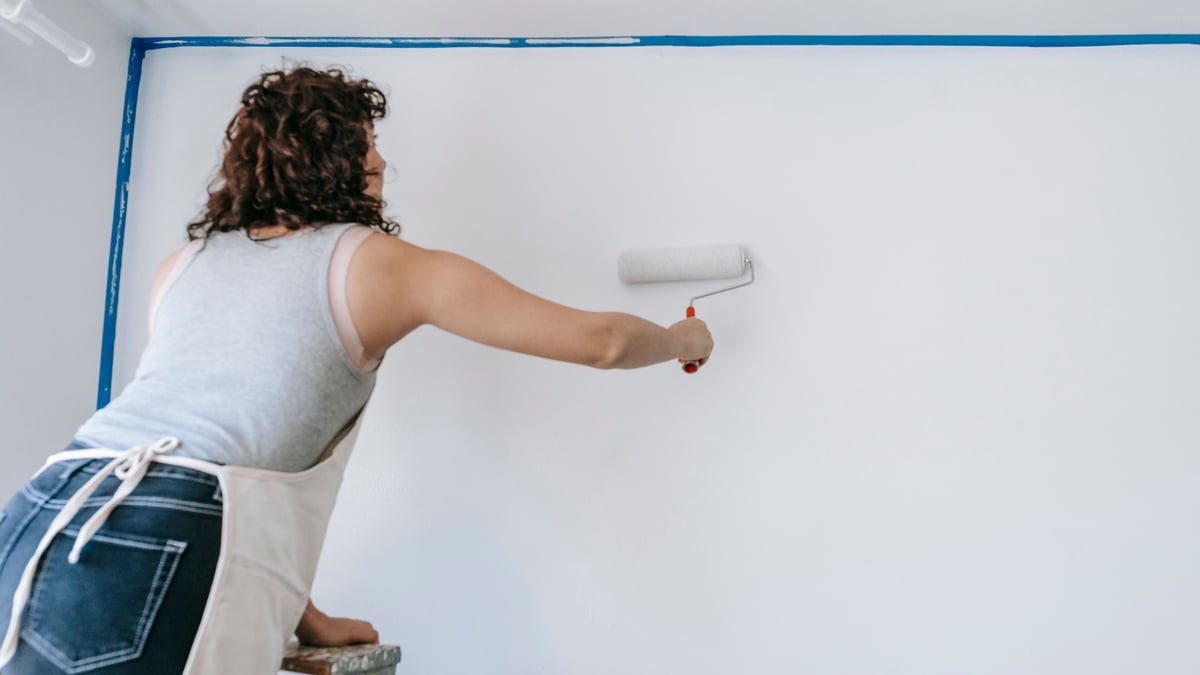
Start with the brush work. Cut in along corners, ceilings, baseboards, and trim before you roll the main wall. Work in small sections so the wet edge stays open and the finish blends.
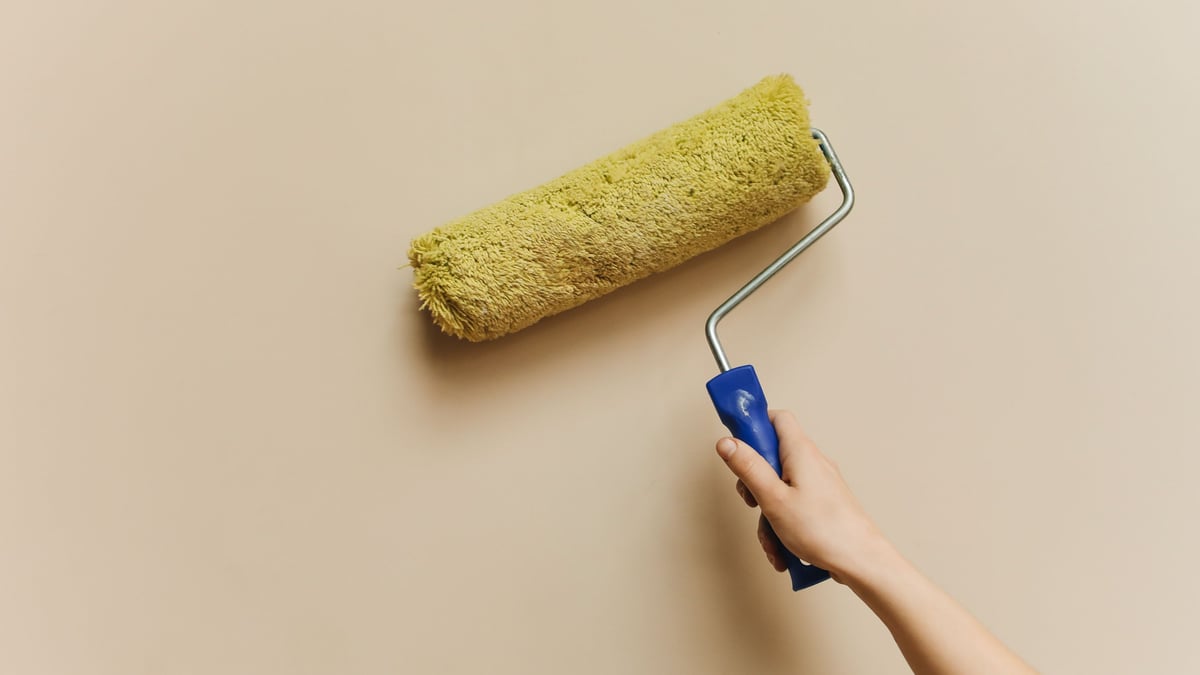
Load the roller evenly, then roll in a W or M pattern and fill the gaps without pressing too hard. Heavy pressure can leave lines and thin spots. Keep the coat light and steady.
Most walls need two coats for full color and coverage. Let the first coat dry completely before the second. Rushing this step can cause streaks, peeling, or a rough finish.
When the final coat dries, remove tape slowly and at an angle. If you wait too long, the paint can pull away with it. Walk the room with good light and check corners, trim, and spots near switches.
Touch up small misses with a small brush, not a big roller. Keep leftover paint labeled so future repairs match better. Good cleanup protects the new finish and makes the room ready to use sooner.
Call a professional if the walls need patching, the trim has damage, the ceiling has stains, or the job is bigger than your schedule allows. A good paint job depends on surface prep, and that work often takes longer than expected.
If you want help with prep, repairs, or related updates before painting, Suarez Home Repair can help you get the room ready. For larger refreshes, you can also explore our painting services and decide what fits your project.
That support matters most when you want a cleaner result without juggling repairs, materials, and cleanup on your own.
Dry time depends on the product, room temperature, and humidity. Read the can and give the first coat enough time to set fully before the second. Painting too soon can cause streaks, soft spots, and a finish that does not level well.
Light sanding helps paint grip smooth or glossy surfaces and blends patched spots into the wall. You do not need to sand every square inch, but you should scuff shiny areas, feather repairs, and remove dust before you start.
Small holes should be filled first with spackle or lightweight patch material. Once the repair dries, sand it smooth and prime the spot if needed. Paint can hide color, but it will not hide texture problems or open dents.
Flat hides flaws, eggshell cleans up better, and satin adds a little more durability. Many homeowners choose eggshell for living spaces and satin for busy rooms. The right finish depends on how much wear the wall will get.
A smooth paint job starts with prep, not the roller. Clean the walls, fix damage, use primer when needed, and apply two thin coats with care. If your room needs repairs before painting, Suarez Home Repair can help get it ready for a better finish in Waynesboro.