
Learn how to install flooring in Waynesboro with clear steps for prep, layout, cuts, and finish work, plus one common mistake to avoid.
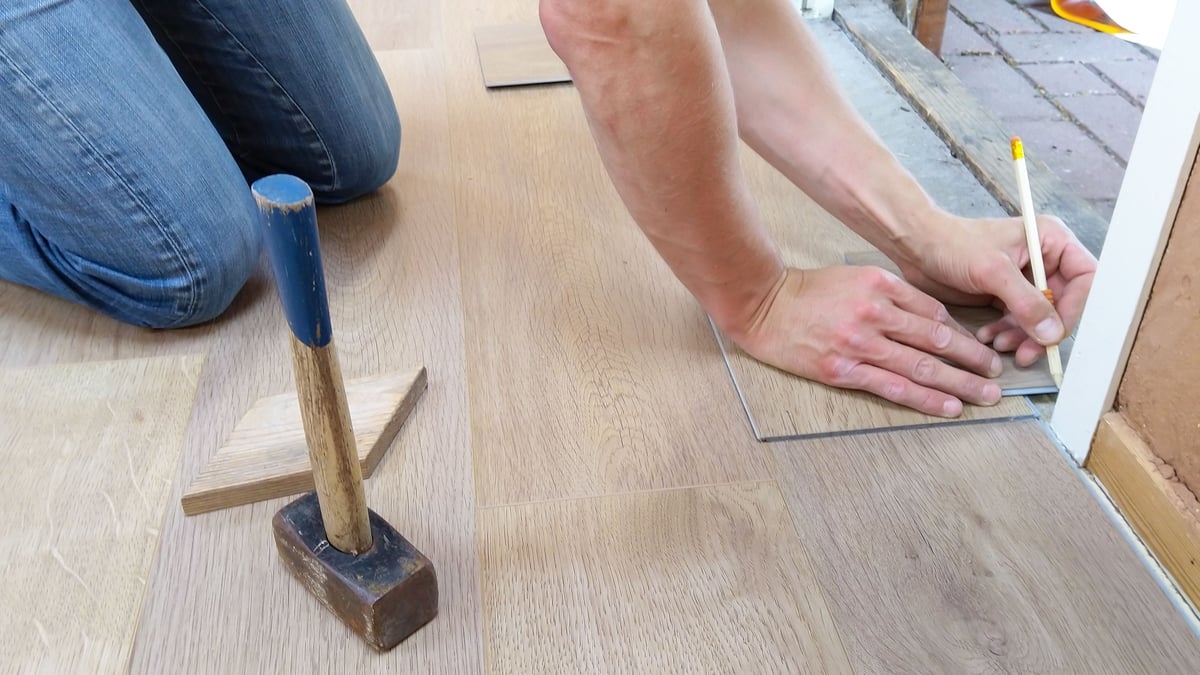
How do you install new flooring without ending up with gaps, squeaks, or a bad layout? Start by picking the right material, clearing the room, checking the subfloor, and planning your first row before you cut a single plank or tile. The best flooring installation follows a simple path: prep the space, measure carefully, let materials acclimate, lay the first course straight, and finish with clean trim work.
For many Waynesboro homeowners, the hardest part is not the visible work. It is the prep. A flat, dry, clean subfloor makes the rest of the project easier and helps the finished floor last longer.
If the job involves damaged subflooring, tricky transitions, or a large area, Suarez Home Repair can help with flooring services that fit your home and your schedule.
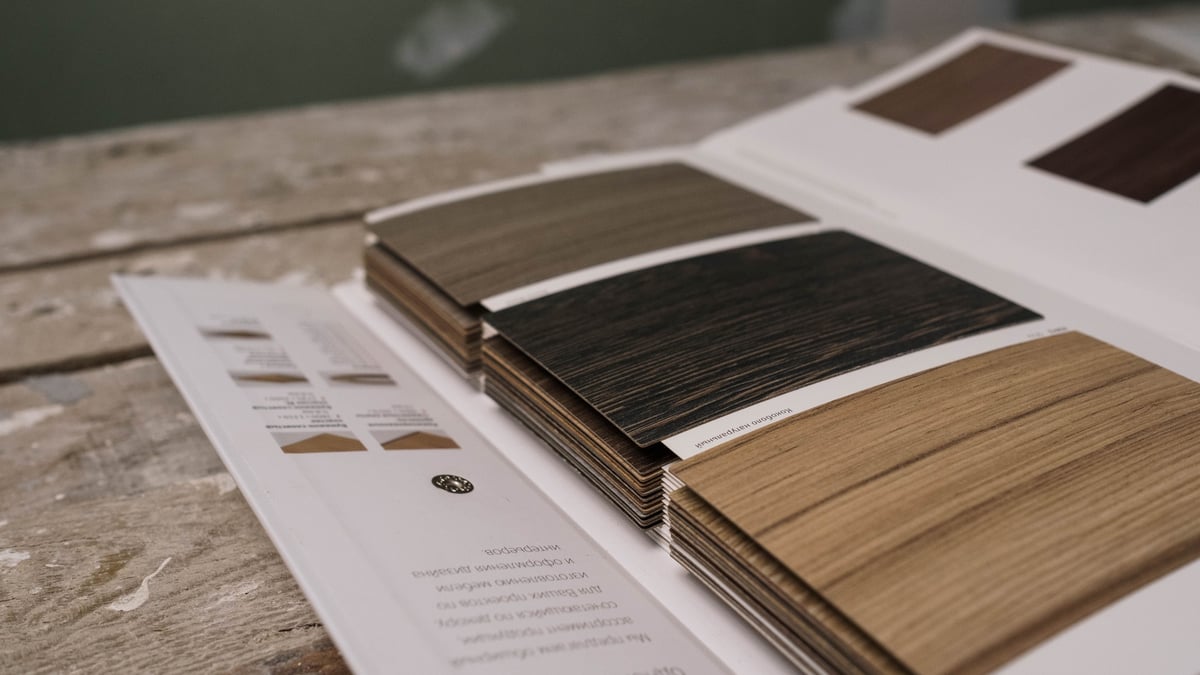
Start with the room’s use. A kitchen, bath, hallway, or family room each asks for a different surface. Look for a floor that handles moisture, foot traffic, and cleaning in a way that fits your home.
For most homeowners, the right choice comes down to three things: durability, comfort, and care. Vinyl plank, laminate, tile, engineered wood, and solid wood all work in the right space, but each has limits.
Clear the room completely. Remove rugs, furniture, and anything that can block your work. Take off baseboards or trim if the new floor will sit under them.
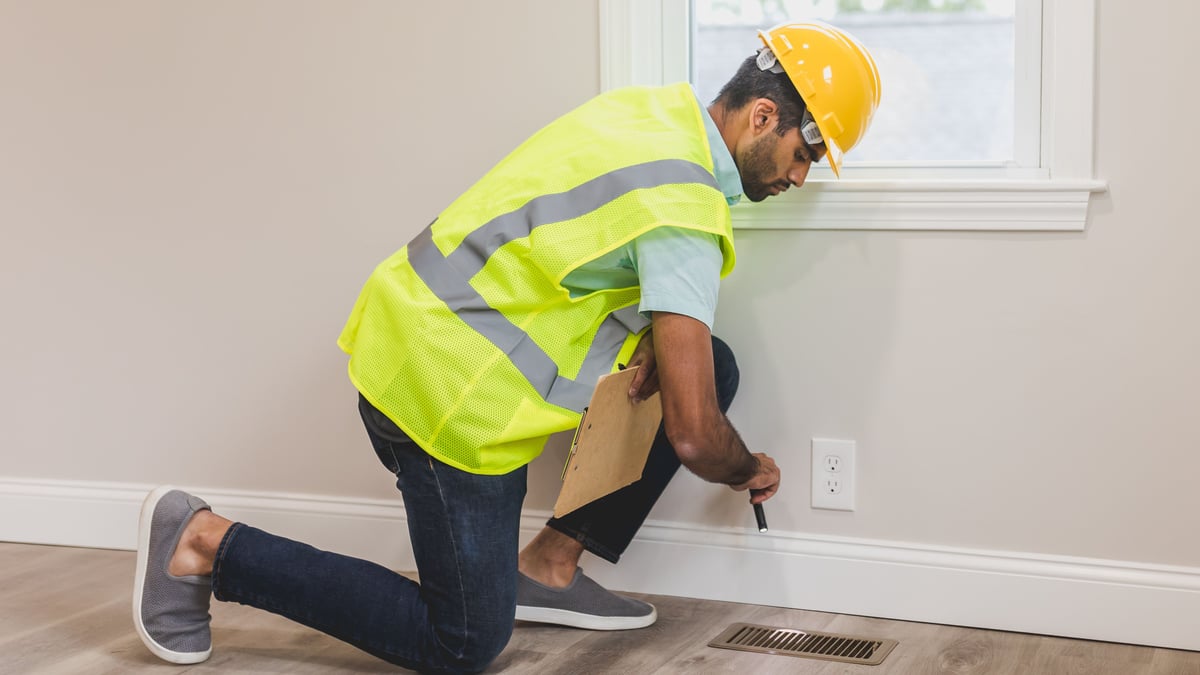
Then inspect the subfloor. It should be clean, dry, and flat. Fix loose boards, squeaks, soft spots, and damaged areas before installation starts. If the subfloor needs repair, that is the time to bring in help from general repair service work.
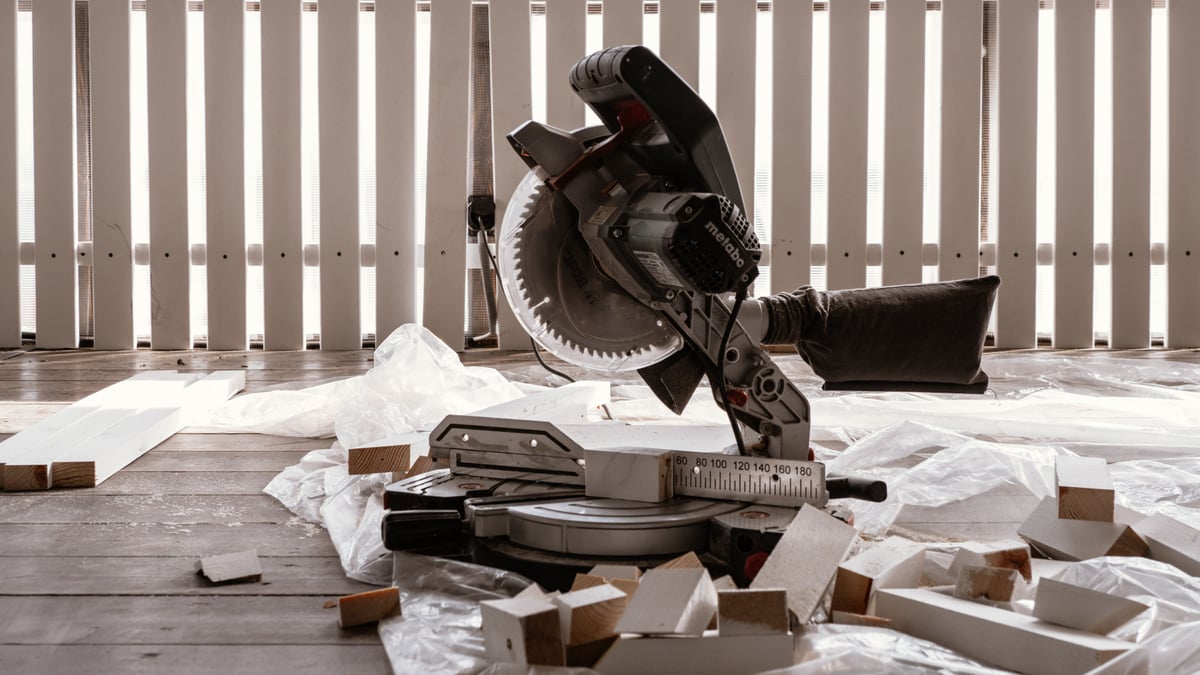
Gather everything before you start. A smooth install depends on having the right tools close by, not stopping every few minutes to search for one more item.
You will usually need the flooring itself, trim or quarter round, underlayment if the product calls for it, adhesive or fasteners if required, and transition strips for doorways. Keep extra material on hand for cuts and future repairs.
Measure the room and find the straightest wall or longest line of sight. Do not assume the wall is square. Use a chalk line or straightedge to keep the first row true.
Dry-fit the first few rows before you lock anything in place. This helps you avoid a skinny last row at the far wall and keeps the pattern balanced across the room.
Measure each cut carefully and mark the waste side clearly. A slow, accurate cut saves more time than rushing and remaking a bad piece.
Keep joints snug without forcing the material. Tap pieces together as directed by the product, and watch for lifted edges or gaps as you move across the room.
For a larger project in Waynesboro, Suarez Home Repair can handle the details that trip up DIY jobs, including room prep, transitions, and finish trim.
Once the field is down, add the finishing pieces. Install baseboards or trim, set transition strips at doorways, and seal edges only if the product calls for it.
Walk the room and check for loose boards, hollow spots, or visible gaps. Clean dust and debris from the surface, then move furniture back only after the floor is ready.
Call for help when the subfloor is damaged, the room is out of square, or the material needs special handling. Tile, hardwood, and large open spaces can create extra work that slows down a DIY project.
If you want the room finished faster or need prep and installation done together, a pro can save you from costly mistakes. That is often the smart move for homeowners who want the job done once and done right.
If you need support with a new floor in Waynesboro, start with flooring installation and ask about the prep work your room may need first.
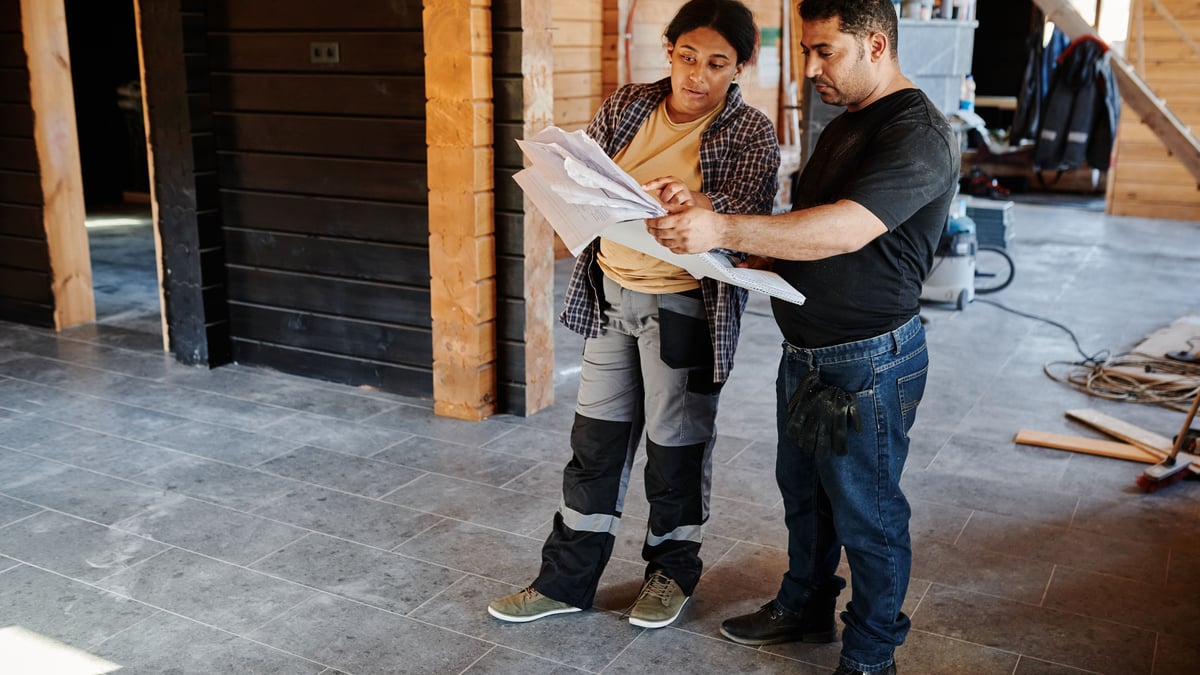
A simple room can take a day or two, but prep, cuts, trim work, and drying time can stretch the project. The timeline depends on room size, floor type, and whether the subfloor needs repair before the new surface goes in.
Not every product needs underlayment, but many floating floors do. It can help with sound, moisture, and comfort. Always follow the manufacturer’s directions for the specific material you buy, since the wrong layer can cause problems later.
Some products can go over an existing floor if the surface is flat, stable, and clean. Others need the old material removed first. The key is checking height, door clearance, and the condition of what is underneath.
Durable vinyl plank, tile, and some laminates handle heavy traffic well and are easy to clean. The best pick depends on moisture, pets, kids, and the look you want. A strong subfloor and careful installation matter just as much as the material.
A good floor starts with solid prep, careful layout, and the right finish work. If you want help with a room in Waynesboro, Suarez Home Repair can step in where the job gets tricky. Reach out for a quote and get your project moving with a clear plan.