
Learn how to handle common home repair checks, from loose hardware to small leaks, and know when a fix needs a pro in Waynesboro.
Small home problems can grow fast, so the smartest move is to check them early and fix what you can safely. This guide helps you spot common repair needs, gather simple tools, and decide which jobs belong in your own hands. For general repairs in Waynesboro, start with the issue, test the cause, tighten or patch the easy parts, and call for help if the damage keeps coming back.
Many homeowners wait until a loose handle, sticking door, or small wall crack turns into a bigger repair. A simple routine can save time and reduce stress. Suarez Home Repair helps local homeowners keep small issues from piling up.
Start by finding the exact problem. Look at the area from a few angles, test what moves, and note any signs of water, rot, loose fasteners, or wear. Many small repairs are easier once you know the cause, not just the visible damage.
A quick check can prevent guesswork. Open and close doors, press on trim, and tap loose spots to see if they feel solid. If you are dealing with a larger pattern of wear, our general repairs service can help you handle it before it grows.

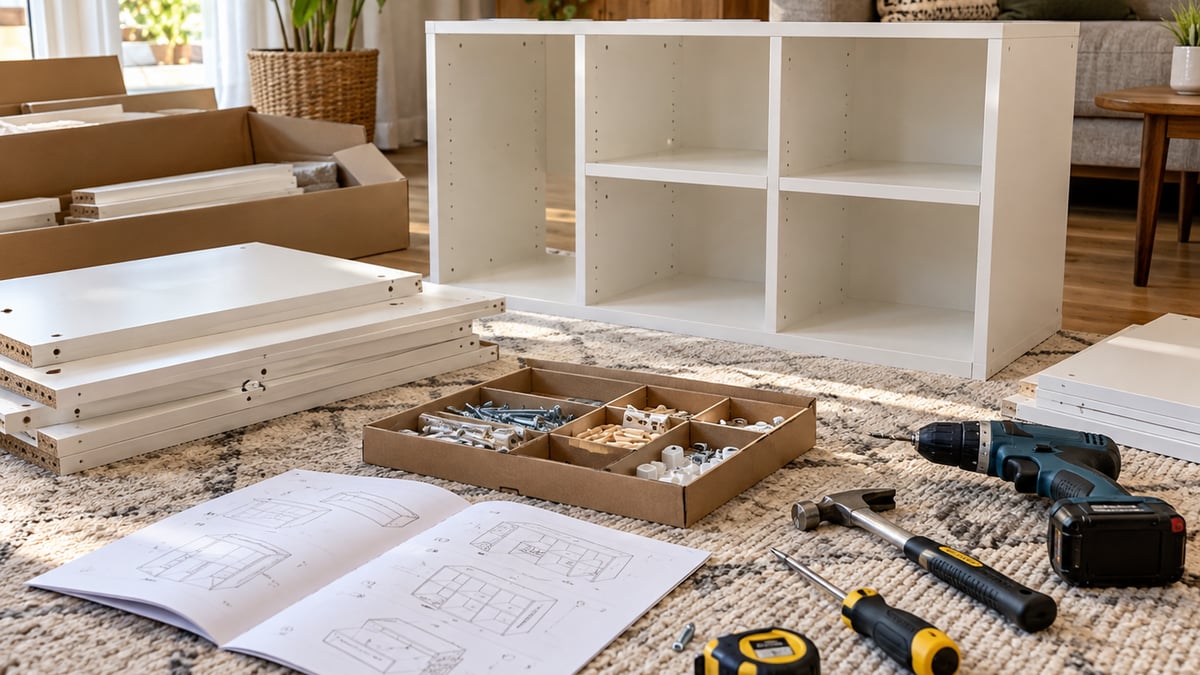
Keep a simple repair kit ready. You do not need a full workshop for most basic fixes. A few hand tools and common supplies can handle many tasks around the house, from tightening hardware to patching minor surface damage.
For a general repair kit, gather a hammer, screwdriver set, tape measure, utility knife, level, putty knife, pliers, wood filler, caulk, sandpaper, and spare fasteners. Add gloves and safety glasses so you can work with less risk.
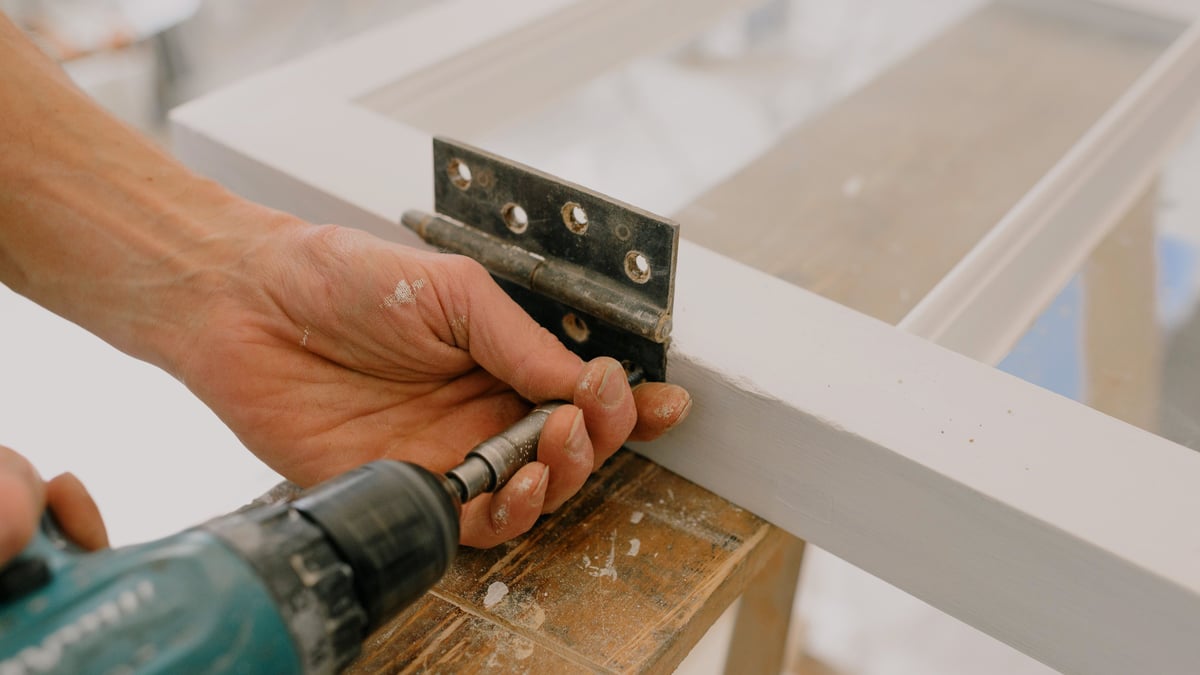
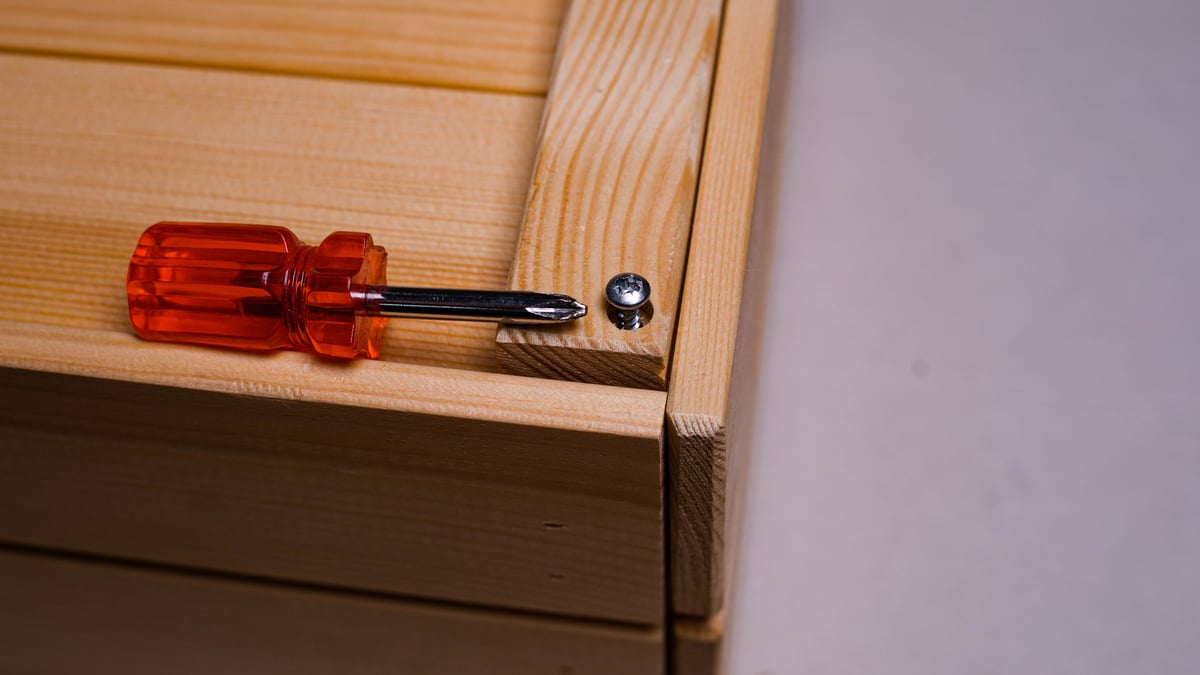
Loose knobs, pulls, hinges, and latches are common and usually simple to fix. Tighten visible screws first. If the screw hole is stripped, remove the screw, fill the hole with wood filler or a small wood plug, let it set, then reinstall the screw.
If a hinge or latch still shifts after tightening, check for worn parts or damage in the mounting surface. A part that keeps slipping may need replacement, not another turn of the screwdriver. That is a small job for a carpenter or repair pro if the frame is split.
Small wall dents, nail holes, and shallow trim nicks can usually be patched in a few steps. Clean the area, apply filler, smooth it flush, let it dry, then sand it level. Finish with paint only after the surface feels even and dry.
For trim gaps, use paintable caulk in a thin bead. Smooth it with a damp finger or caulk tool, then wipe away extra material. If the trim is loose, secure it first. Filling a gap without fixing movement will not last.
Clean the surface first, then fill, sand, and finish. Skipping steps makes the repair stand out and may cause the patch to fail later.
Water spots, soft drywall, peeling caulk, and musty smells point to a problem that may go deeper than the surface. Stop and inspect nearby plumbing, windows, and exterior seams. If the stain keeps growing, the source is still active.
Do not just paint over a water mark. Dry the area, find the source, and repair that source first. If the damage includes warped wood, crumbling material, or repeated staining, bring in a professional repair crew in Waynesboro before the area spreads.
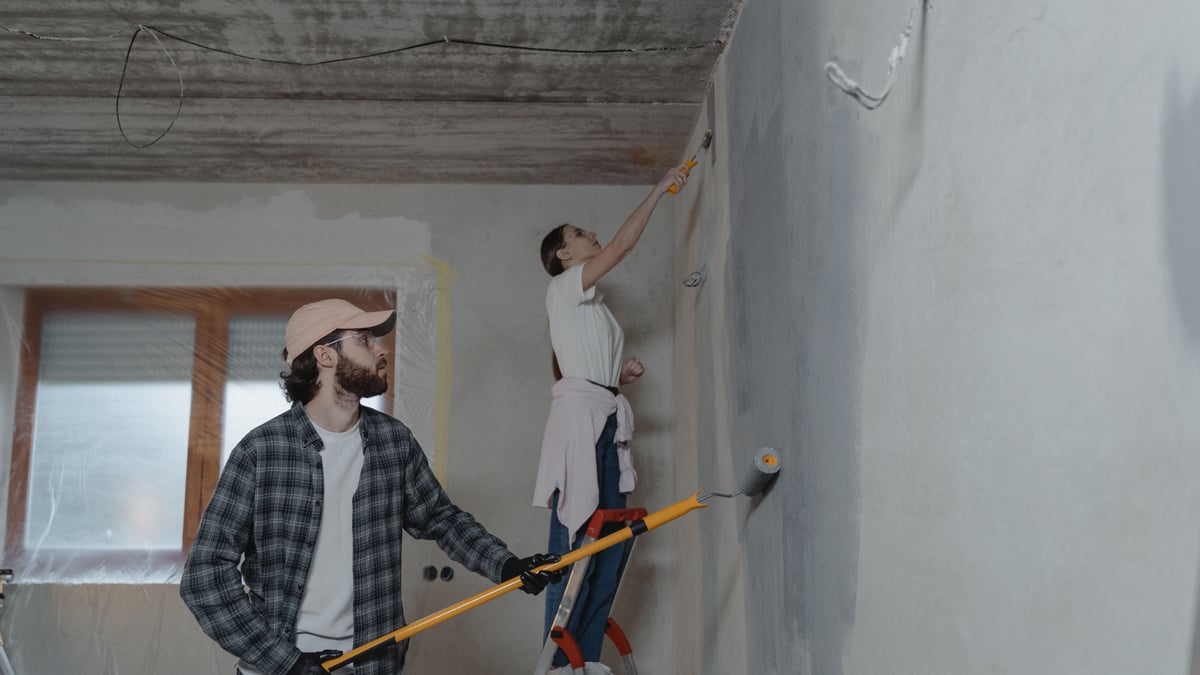
After you finish, test the repair right away and again a day or two later. Open and close the door, press the patched spot, or check for fresh moisture. A good repair stays tight, level, and dry.
Watch for the same issue coming back. A loose hinge that shifts again, a patch that cracks, or a stain that reappears means the cause is still there. That is the point where Suarez Home Repair can step in and handle the deeper problem.
Call a pro if the repair involves hidden damage, active water, structural movement, or anything tied to electrical or plumbing systems. You should also get help if the same issue keeps returning after a simple fix.
A professional can look beyond the visible spot and fix the root cause. If you want help with home repair services that cover many small but important problems, we can help you protect the value of your home without guessing at the fix.
General home repair includes small fixes that keep parts of the house working well. That can mean tightening hardware, patching minor wall damage, sealing gaps, replacing worn caulk, or fixing a loose trim piece before it turns into a bigger job.
A repair is usually safe when it is small, visible, and not tied to water, wiring, or structural framing. If the problem is simple to reach and the fix is basic, you can often handle it with hand tools and care.
Paint should come after the cause is fixed and the surface is dry, smooth, and clean. If you paint too soon, the flaw may show again or the patch may fail. Water stains need a source check before any finish work.
Do not delay repairs that involve leaks, soft wood, loose steps, damaged trim near moisture, or anything that could affect safety. Small issues often spread when they are left alone, and that can make the final repair more costly and complex.
The best repair plan is simple: find the cause, fix it cleanly, and check that it holds. If your home needs help beyond a quick patch, we can step in with practical repair work that fits the problem. Reach out for a quote and get the next fix handled the right way.