
Learn how to spot common electrical problems, test outlets safely, and know when a wiring issue needs a pro in Waynesboro.
Most homeowners think electrical problems start with sparks or total outages, but many begin with small clues like a dead outlet, a tripped breaker, or a light that flickers in one room. Electrical issues can be simple to check if you use a careful step-by-step process and stop before anything feels unsafe. To troubleshoot electrical problems, turn off the affected circuit, inspect the outlet or switch, reset the breaker once, test with a lamp or meter, and call for help if the fault returns or you see heat, smell, or damaged wiring.
This guide focuses on safe checks a homeowner can do without opening walls or handling live wires. It is meant for small problems that show up at outlets, switches, lights, or breakers in a Waynesboro home.
If the issue keeps coming back, Suarez Home Repair can help you narrow down the cause and decide what needs repair, replacement, or a closer look.
Start by naming the symptom in plain words. Is one outlet dead, is a light flickering, or does a breaker keep tripping? That first clue tells you where to begin and keeps you from testing the wrong part of the house.
Write down what changed before the problem started. A new appliance, a power surge, or a recent repair can point you toward the cause. If only one room is affected, the problem is often local to that circuit.
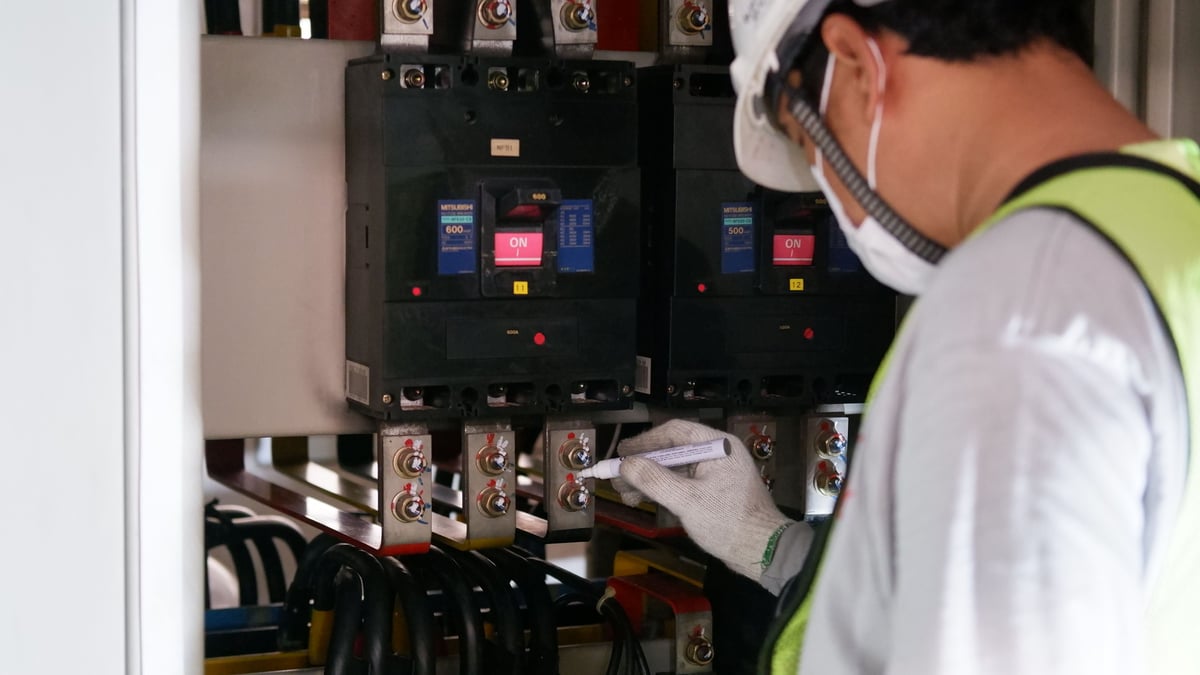
Go to the breaker panel and look for a switch that is sitting between positions or fully shifted off. A tripped breaker may not look fully off at first glance, so reset it by moving it all the way off and then back on.
If the breaker trips again right away, stop there. That tells you the circuit still has a fault, and repeated resets can make the problem worse. Do not keep forcing the same breaker back on.
After the breaker check, test the outlet or switch with a lamp, phone charger, or plug-in tester. Try the device in a known working outlet first so you know the lamp or charger is good.
If one outlet in a pair works and the other does not, the problem may be inside that outlet or in the circuit feeding it. If a wall switch controls a light but nothing happens, the issue may be the switch, the bulb, or the fixture connection.
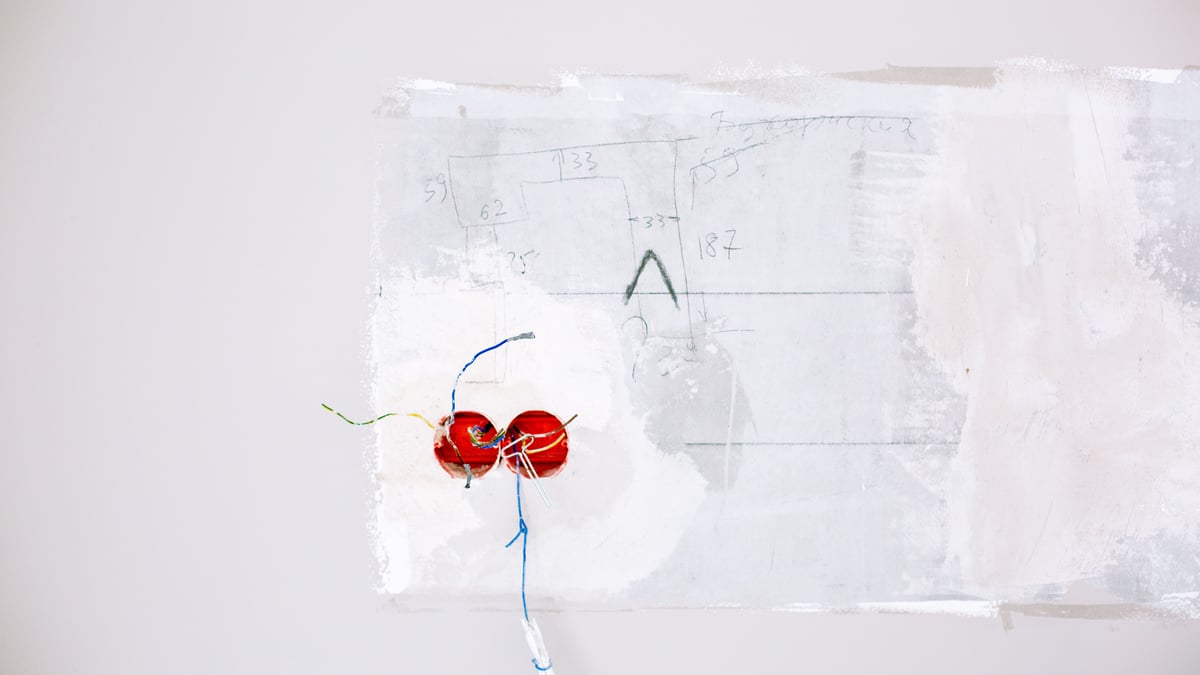
A breaker that stays on does not always mean the circuit is healthy. A loose connection, worn outlet, or failed switch can still cut power to part of the room. That is why a simple plug-in test matters.
Stop the moment you notice heat, smoke, smell, buzzing, scorch marks, or crackling. Those signs point to a problem that can get worse fast. Do not keep flipping switches or plugging things in.
Also stop if an outlet is loose, cracked, or missing a cover plate. Physical damage can expose live parts. At that point, the safe move is to leave the circuit alone until it is inspected.
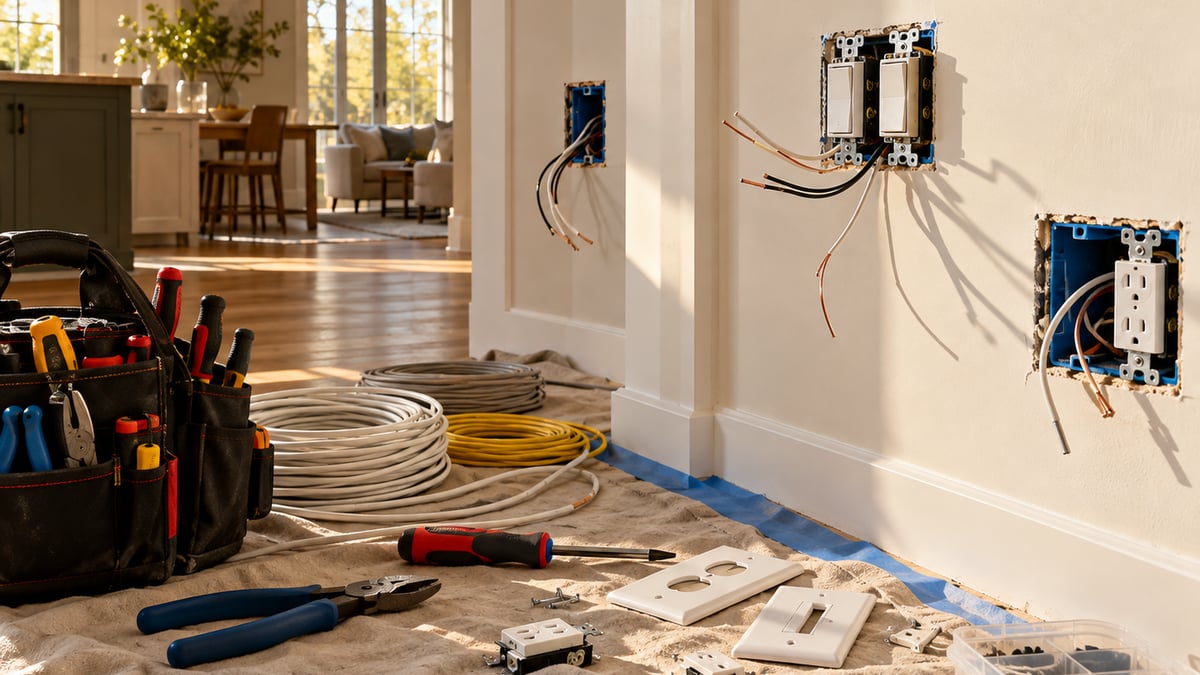
Keep the tools simple. You do not need a full toolbox to check a small electrical issue. A few basic items make the process safer and easier.
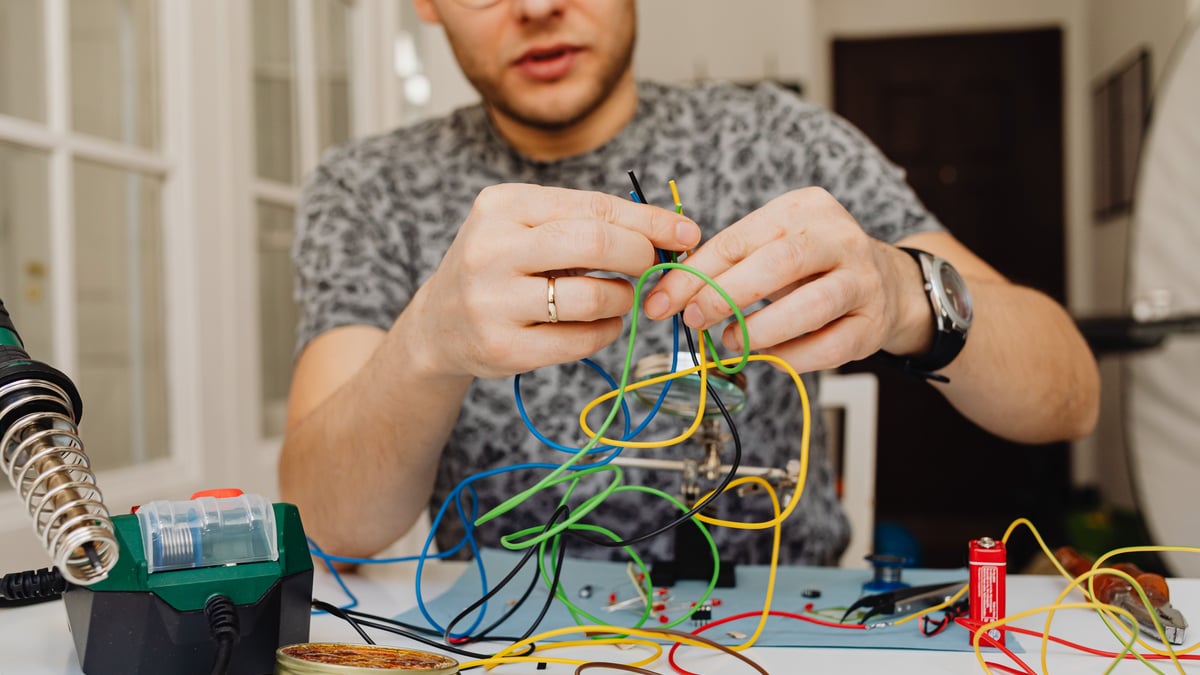
Call for help if the same breaker keeps tripping, the outlet test keeps failing, or you find any sign of heat or damage. Those problems can hide deeper wiring issues that are hard to spot from the surface.
If you need help with troubleshooting or repair, electrical service can be the right next step. Suarez Home Repair can help homeowners in Waynesboro sort out the problem and decide what needs attention.
You should also get help if the issue affects several rooms, if the panel itself looks damaged, or if you are not sure which circuit controls the problem area. A careful inspection can save time and reduce guesswork.
Anything involving sparking, exposed wires, repeated shocks, or a hot panel belongs in the stop list. Those are not normal home repair tasks. They need a close look before anyone uses that circuit again.
Once the problem is fixed, keep an eye on the circuit for a few days. If the same light flickers or the same outlet goes dead again, that is a clue the root cause was not fully solved.
Use the circuit in a normal way and avoid overloading one outlet with too many plugs. Labeling breakers also helps, because it makes future checks faster and less confusing.
A single dead outlet often means the problem is local to that receptacle or the part of the circuit feeding it. A tripped breaker, loose connection, or failed outlet can cause that pattern. Start with the breaker, then test the outlet with a known working device.
A breaker that trips again usually points to an overload, a short, or a faulty device on that circuit. Resetting it once is fine, but repeated trips mean the problem is still there. Stop using that circuit until the cause is found and corrected.
Flickering can come from a loose bulb, a weak switch, a bad fixture connection, or a problem in the circuit. Start with the bulb and fixture, then move outward. If the flicker affects more than one light or returns after replacement, the wiring may need inspection.
A warm outlet should be treated as a warning sign. Unplug the device, stop using that outlet, and leave the breaker off if heat continues. Warmth can signal a loose connection or overloaded circuit, both of which should be checked before the outlet is used again.
Small electrical problems can start with one dead outlet or one flickering light, but the safest fix is always a careful one. Use the steps above to check the breaker, test the device, and watch for warning signs. If the problem keeps coming back, let Suarez Home Repair take a closer look.