
Learn how to patch drywall, tape seams, sand smooth, and know when a wall needs professional repair before painting.
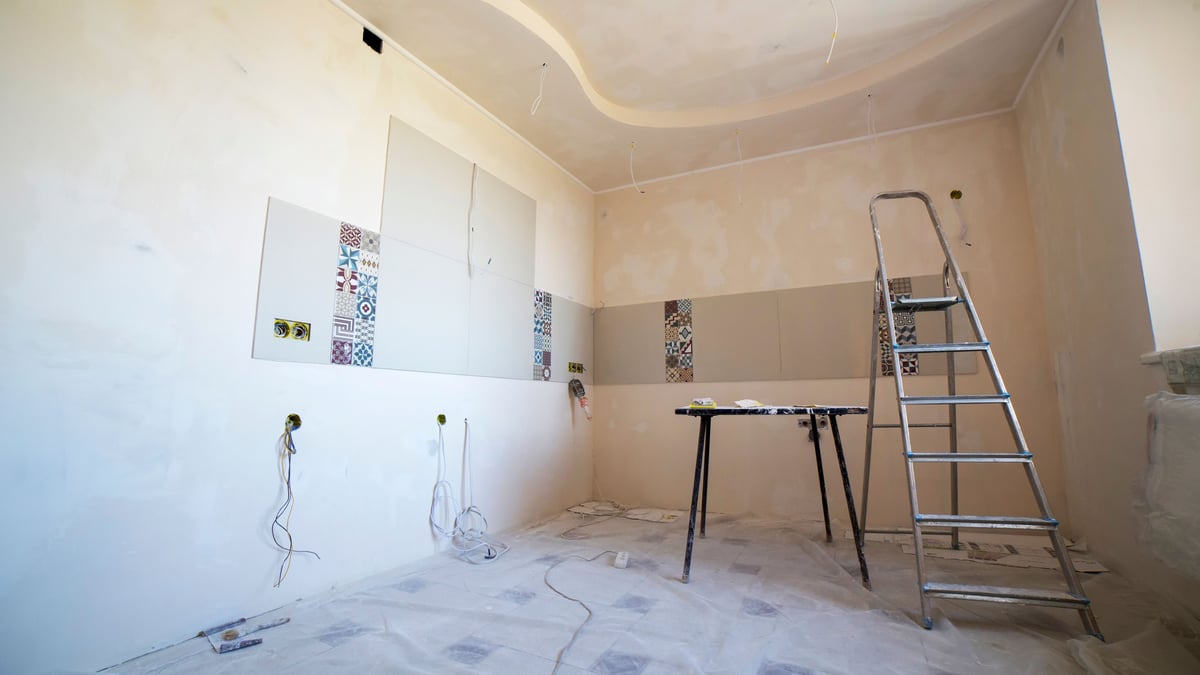
A small hole in drywall can turn into a bigger expense if you ignore it, especially before a move, sale, or fresh paint job. Knowing what to fix yourself and what to leave alone can save time, dust, and repeat work. Drywall repair is usually a step-by-step patch, tape, mud, sand, and prime process. For small dents and nail pops, you can fix the wall yourself; for larger damage, soft spots, or cracked seams, call a pro.
This guide walks you through the basic repair process in plain steps, from cleaning the damaged area to finishing the wall so it blends in. If you live in Waynesboro and want the repair to disappear under paint, the details matter.
Start by looking past the visible hole or crack. Press gently around the area to see if the wall feels soft, crumbly, or loose. If the drywall is dry and solid, you can usually patch it. If it feels damp, swells, or keeps breaking apart, stop and find the cause before you repair the surface.
Mark the edges of the bad spot with a pencil so you know what needs to be cut or covered. Remove loose paper, dust, and broken bits. A clean edge helps the patch stick and keeps the finish from bubbling later.
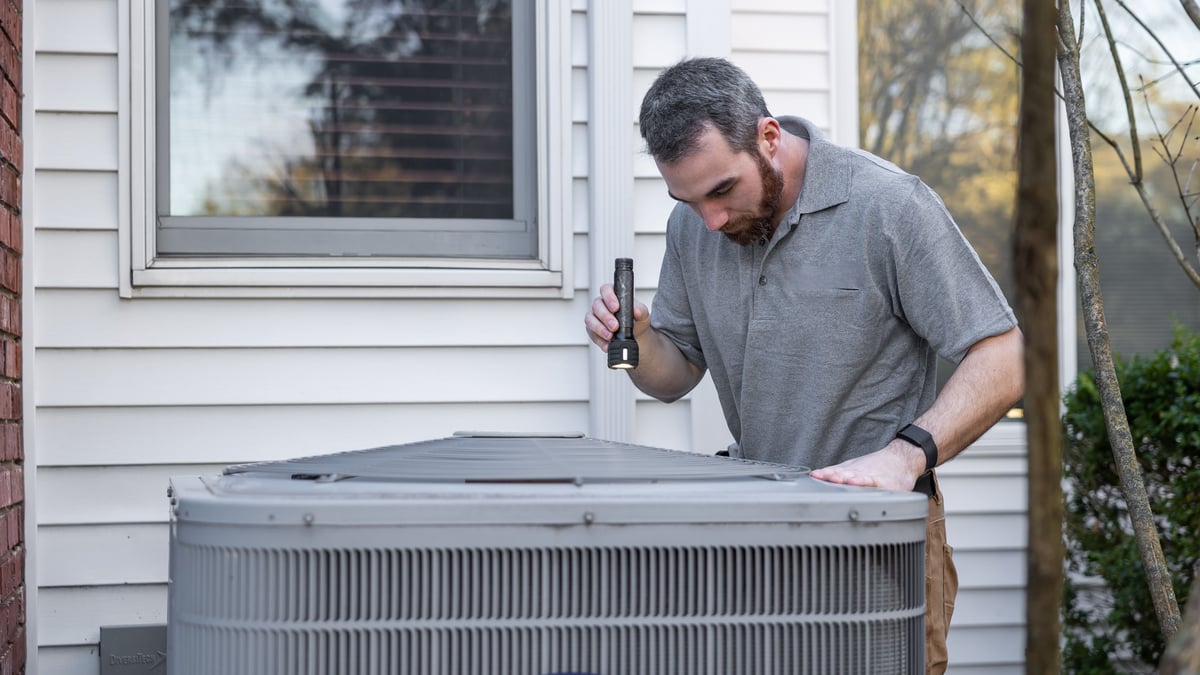
For a small repair, gather a few simple supplies before you start. Having everything ready keeps the patch from drying while you search for a tool. Many small jobs use the same basic set of materials.
Choose the patch based on the size of the damage. Tiny nail holes need only a light fill with compound. Small dents and holes often work with a self-adhesive patch. Larger holes need a stronger backing piece or a new drywall section cut to fit. A patch that is too small will sink or crack.
Cut the damaged area into a neat shape if needed, usually a square or rectangle. Straight lines are easier to fit, tape, and finish than jagged breaks. If the hole reaches a stud, you can anchor the patch there for a firmer repair.
Spread a thin coat of joint compound over the patch with a putty knife. Press it in firmly, then feather the edges so the compound thins out onto the wall. Thin coats dry better and are easier to sand than one thick coat.
If you used tape, cover it fully and smooth out air bubbles as you go. Let each coat dry completely before adding the next one. Two or three light coats usually look better than one heavy pass.
Do not load the knife with too much mud. That leads to ridges and extra sanding. Keep the blade clean, overlap each pass, and stop before the edge gets thick. In a busy home, that means less dust and a cleaner result. Suarez Home Repair uses the same finish-first approach on wall repairs in Waynesboro.
Sand only after the compound is fully dry. Use light pressure and a fine sanding sponge to smooth the repair until it feels level with the wall. Run your hand over the area to check for bumps. If it still catches, sand a little more.
After sanding, wipe away dust with a dry cloth. Prime the patch before paint so the repaired spot does not flash through the finish. Primer helps the paint soak in evenly and makes the repair blend with the rest of the wall.
Some damage is bigger than a simple patch. If you see water stains, sagging sections, wide cracks, moldy spots, or repeated damage in the same place, the wall may have a deeper issue. A surface fix will not solve a hidden leak, framing problem, or weak section behind the drywall.
This is where professional drywall repair can save you from doing the same job twice. A contractor can replace damaged sections, check for the cause, and finish the wall so it is ready for paint. If the damage is part of a larger update, Suarez Home Repair can also help plan the next steps.
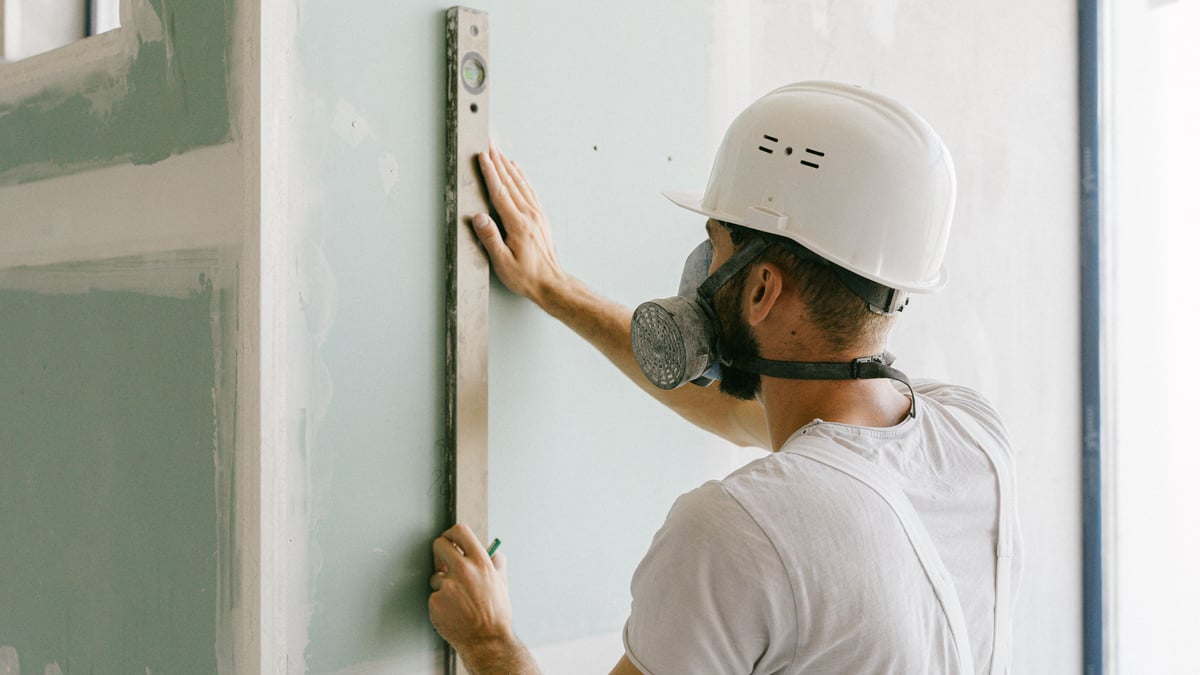
Once the wall is fixed, a few habits can help it stay that way. Keep furniture from banging the wall, avoid hanging too much weight from the same spot, and watch for new stains or cracks after heavy rain or plumbing issues. Small checks catch trouble early.
If you are planning other updates in the home, save the final wall repair for last. That keeps tool marks, scuffs, and new holes from undoing your work. Good repair timing helps the finished room look clean and complete.
Spackle works well for tiny holes, nail pops, and small dents. Joint compound is better for larger patches, taped seams, and areas that need feathering. Pick the material that matches the size of the repair so the finish stays smooth and durable.
Dry time depends on the product, coat thickness, and room conditions. Thin coats dry faster, while heavy coats take longer. The surface should feel hard and dry all the way through before you sand it, or the patch can tear and stay soft.
Paint can flash when the patch was not primed, sanded, or feathered well enough. A repaired area may also absorb paint differently than the old wall. Primer, light sanding, and a smooth transition around the patch help the finish blend more evenly.
Repair the drywall before you paint. That gives you time to patch, sand, prime, and check the finish under good light. If you paint first, every wall flaw stands out and the repair can be harder to blend into the room.
Small drywall repairs can be a clean DIY job when you use the right patch, thin coats, and careful sanding. Larger damage needs more than surface work. If you want help finishing the job in Waynesboro, contact us for a quote and let us handle the repair before you paint.