
Painting questions in Waynesboro answered simply, from prep and primer to choosing sheens and knowing when a room needs drywall repair first.
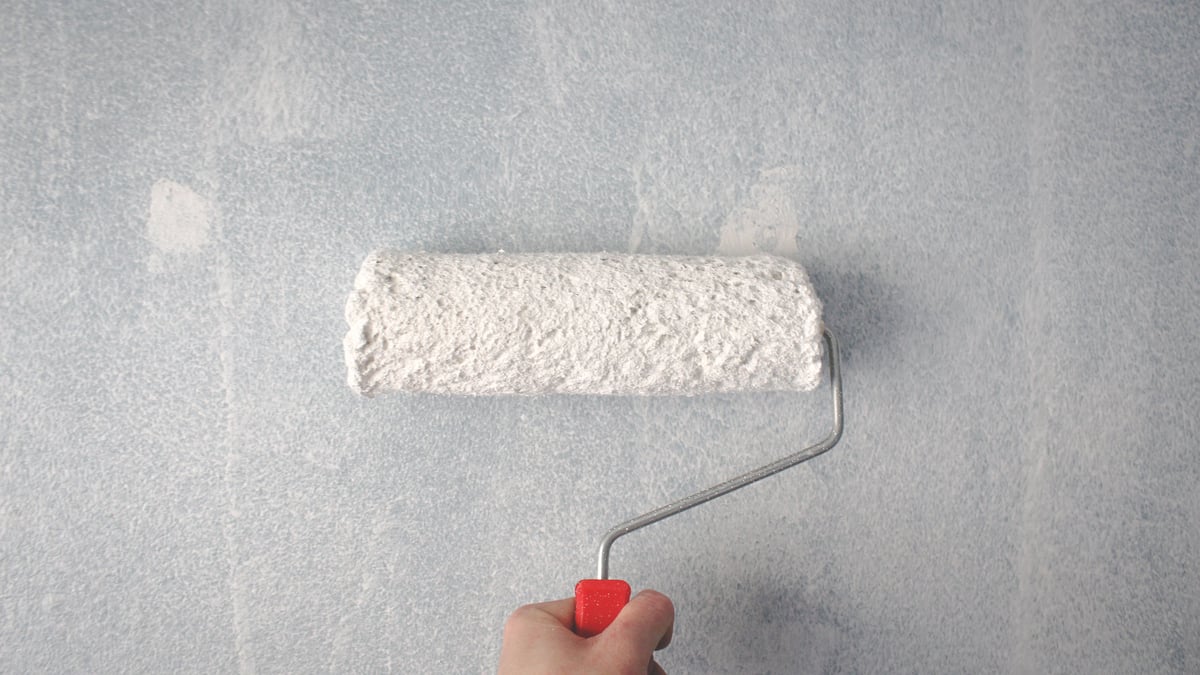
Painting sounds simple until you face peeling edges, dull walls, and trim that shows every brush mark. The biggest surprise is that good results start before the first coat. Painting is usually less about color choice and more about surface prep, product choice, and timing. If you want a clean, lasting finish, the answer is to prepare the surface first, then use the right paint and method for the room.
For homeowners in Waynesboro, the questions often start after a room starts to look tired, not before. That is why Suarez Home Repair put this roundup together. It helps you decide what can be painted, what needs repair first, and where a pro finish saves time.
Start by checking the room, not the paint chip. Look for peeling, stains, nail pops, gaps, and rough spots. Those issues show through fresh paint. A good plan saves time because you fix the surface first, then paint once, instead of chasing flaws later.
If the walls have damage, drywall repair may come before any color work. That is true for small dents too. A smooth wall helps the finish look even, and it helps paint stick the way it should.
A wall needs repair before painting if you can feel the flaw, see a stain through old paint, or spot peeling that keeps coming back. Paint does not hide damage well. It often makes dents, seams, and patched areas more obvious.
Watch for soft spots, water marks, bubbling, or hairline cracks near corners and trim. Those signs can point to a problem that needs more than a fresh coat. If you are unsure, a home repair service can help you sort out what belongs in the fix list.

Use this quick check before you open a paint can. If the answer is yes to any of these, repair should come first.
Sheen matters because it changes how light reflects and how easy the surface is to clean. Flat hides flaws. Satin and eggshell give a softer look with more wipeability. Semi-gloss stands up well on trim, doors, and high-touch areas.
For busy rooms, a higher sheen can make cleanup easier. For older walls, a lower sheen may hide more surface marks. The best choice depends on the room, the wall condition, and how much wear the surface gets.

Primer is worth using when the surface is new, patched, stained, or changing from a dark color to a light one. It helps paint grip and helps the final color look even. Skipping primer can leave patch marks or uneven coverage.
A room with smoke stains, water marks, or repaired areas usually benefits from primer. The same is true after major patching. If you are also updating trim or cabinets, a careful primer step can make the finish last longer and look smoother.
Pick color last, after you know the room’s purpose and light. Test samples on more than one wall. Morning light, afternoon light, and lamp light can make the same color look different. A shade that seems soft in the store may feel bold at home.
Stay close to the fixed parts of the room, like flooring, counters, and trim. That makes the space feel balanced. If you are updating several surfaces at once, remodeling services can help the whole room feel planned instead of pieced together.
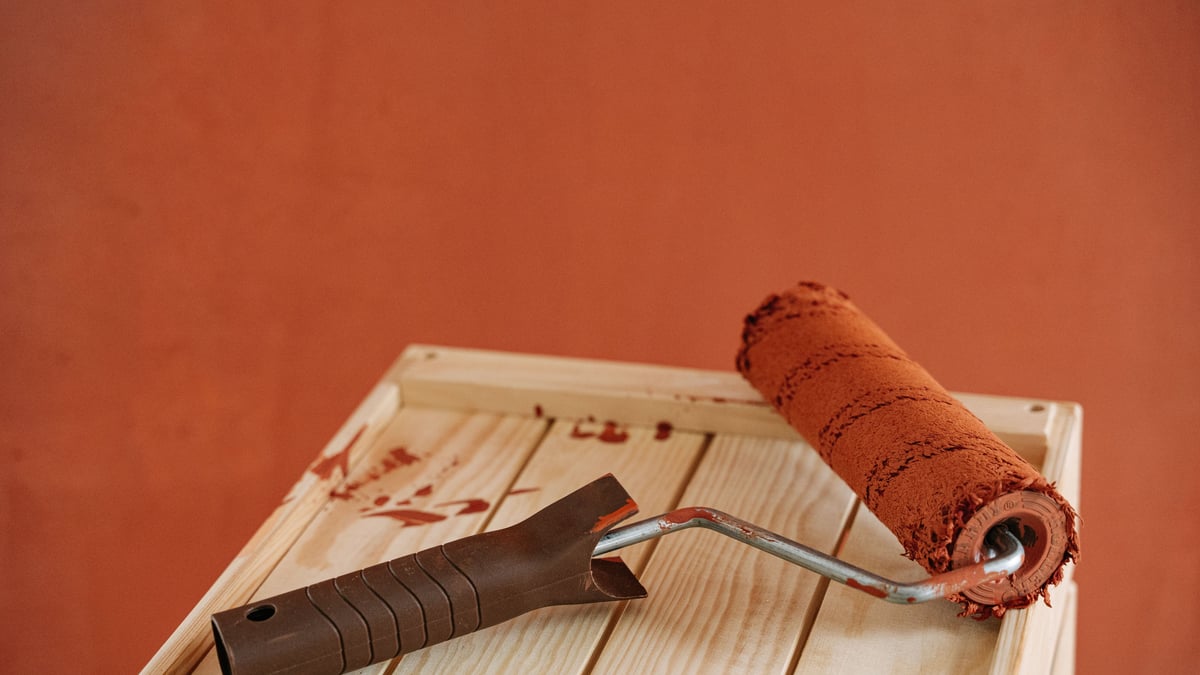
Paint can hide some marks, but it does not erase the cause. Light surface stains may disappear after cleaning, primer, and two finish coats. Deeper discoloration often bleeds through unless the stain is sealed first.
Water spots need extra care because the stain may return if the source is still active. Smoke and tannin stains also need the right primer. Covering a stain without fixing the cause can waste time and lead to a blotchy wall later.
Painting trim and doors with the walls can save time and help the room feel finished all at once. It also keeps color edges clean. The catch is that trim needs more careful masking, sanding, and cut-in work than walls do.
If the trim is worn, chipped, or sticky, it may need more prep than the walls. That is where a detail-focused finish matters. For many homeowners, Suarez Home Repair can help with the prep and finishing steps that make the room look intentional.
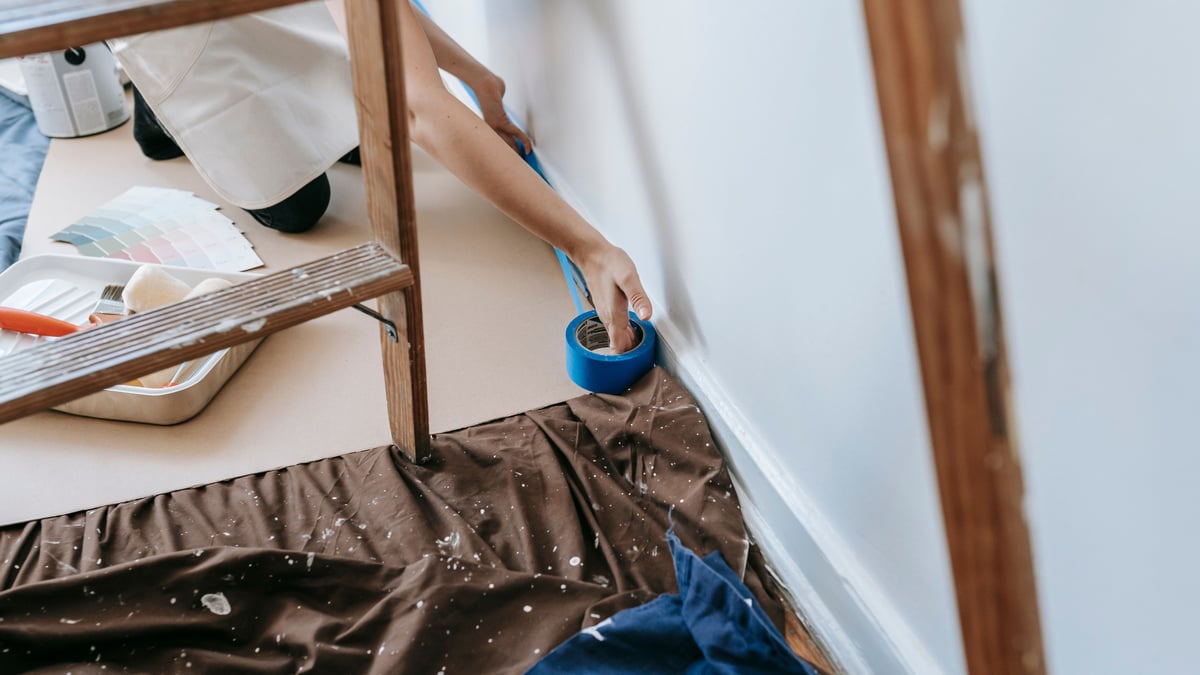
Most rooms can be repainted once the old finish is stable, clean, and dry. If the wall is peeling, stained, or patched, repair and prep matter more than the calendar. The surface should be ready before you choose the new color.
Semi-gloss and satin are easier to wipe than flat paint because they resist marks better. Satin often works well for busy walls, while semi-gloss is common for trim and doors. The best choice depends on how much traffic the room gets.
Patched drywall should be smooth, dry, and primed before paint goes on. If you skip primer, the patch can flash through as a dull spot or different color. A proper prep step helps the finish coat look even across the whole wall.
Patchy paint often means the wall absorbed finish unevenly, the coat was too thin, or the surface was not primed well. Lighting can also make flaws stand out. Strong prep, full coverage, and the right sheen reduce that problem.
If your walls need more than a color change, start with the surface and work from there. Good prep leads to better results and fewer surprises. If you want help with repairs, prep, or finish work in Waynesboro, contact Suarez Home Repair for a quote.